



.jpg)
.jpg)
.jpg)
.jpg)
.jpg)
.jpg)


.jpg)

.jpg)
.jpg)

.jpg)


.jpg)
.jpg)
.jpg)
.jpg)
.jpg)
.jpg)
.jpg)
.jpg)
.jpg)
.jpg)
.jpg)
.jpg)
.jpg)
.jpg)
.jpg)
.jpg)
.jpg)
.jpg)
.jpg)
.jpg)
.jpg)

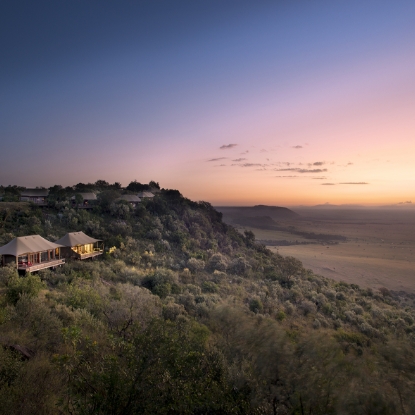

There is no doubt that Amboseli National Park holds its own as one of East Africa’s favourite safari destinations. Far removed from the iconic Maasai Mara it is a land of exquisite contrasts, iconic scenery, and extraordinary biodiversity, with a spectacular backdrop of the snowy peak of Africa’s tallest mountain and the world’s tallest free-standing mountain, Mount Kilimanjaro.
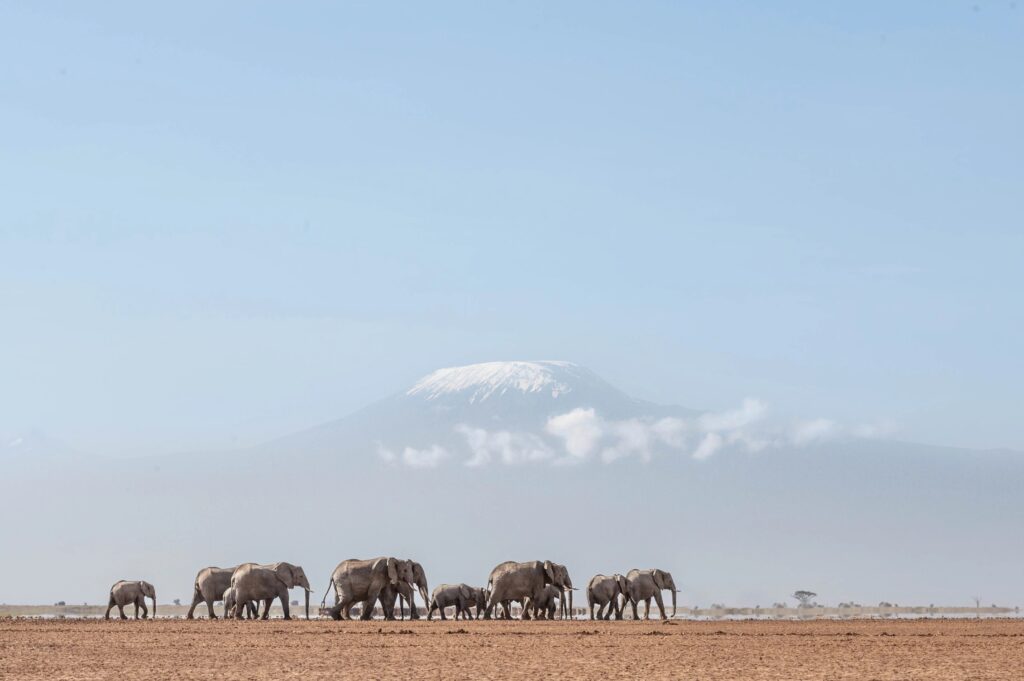
Mount Kilimanjaro, is just 50 km to the southeast in neighbouring Tanzania and its looming form dominates the Amboseli skyline on clear mornings. Elephants and other wildlife are framed by the spectacular backdrop of Mount Kilimanjaro in Amboseli National Park, making it one of the most picturesque and photographed landscapes in Kenya.
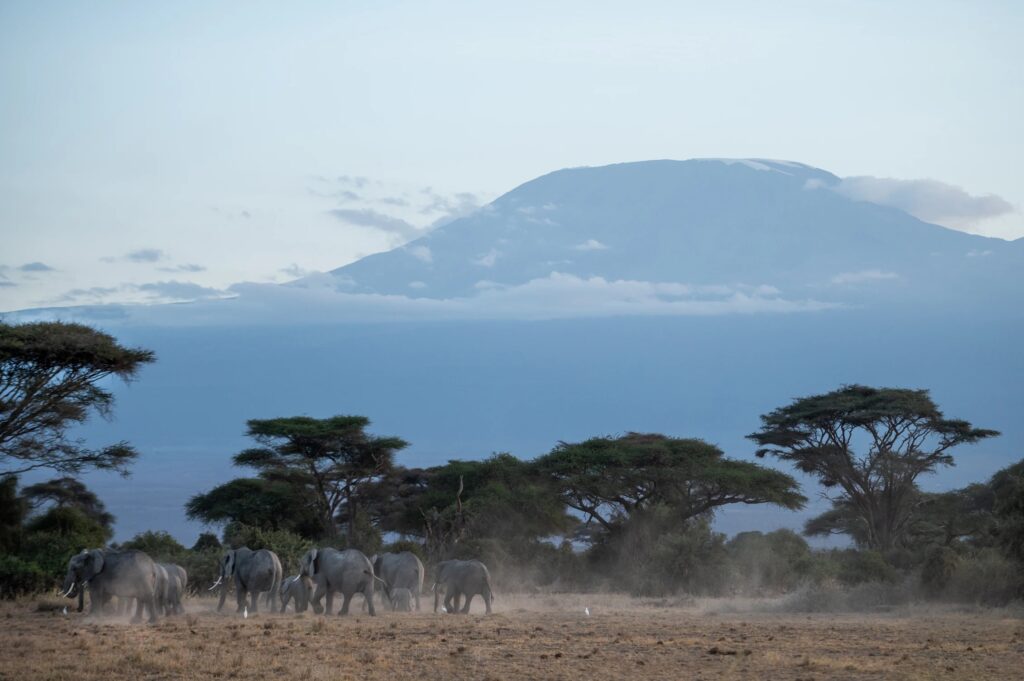
Apart from its contribution to the scenery, Mount Kilimanjaro has shaped Amboseli’s habitat and wildlife in more fundamental ways. The constant supply of melting water from the mountain’s glaciers flows off the slopes and sinks below ground before rising through the porous soils in Amboseli to create freshwater springs. The result is that Amboseli itself is relatively arid with low rainfall averages but the park is dominated by species-rich marshes which draw a variety of animals to these natural oasis’s.
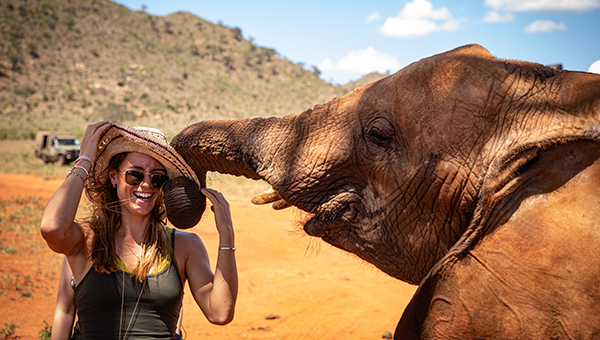
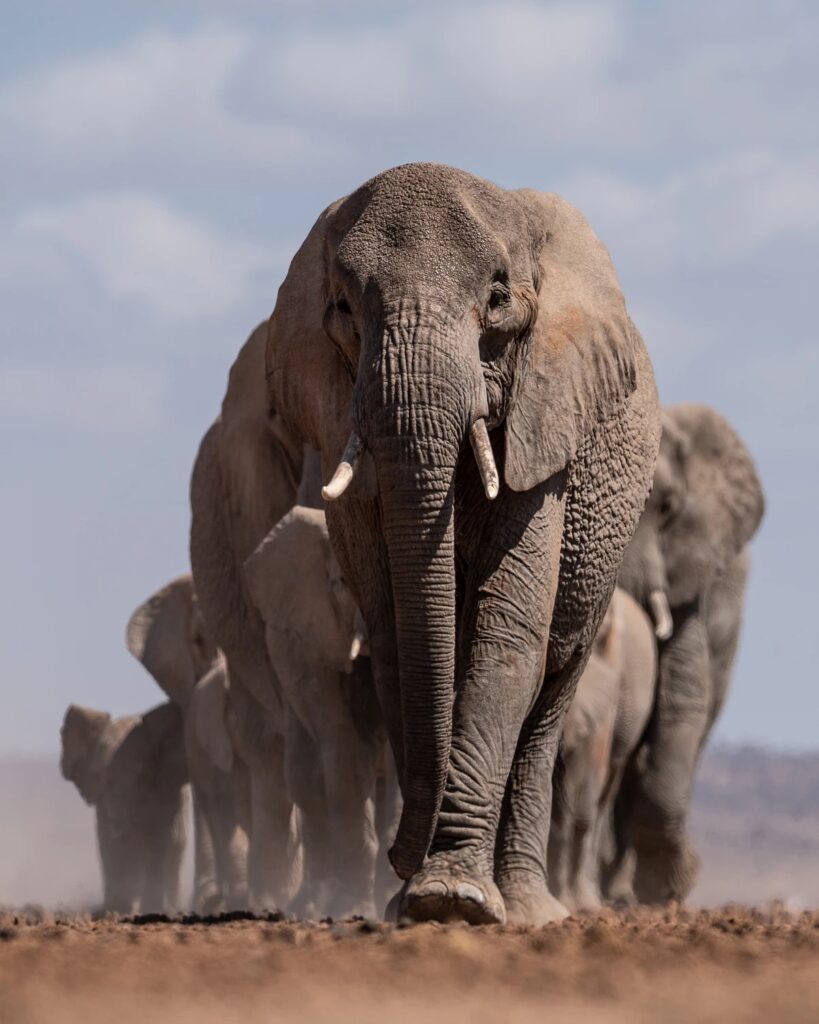
The park’s most celebrated residents are the elephants, where herds of up to 100 can be found crossing the dry lake or drinking at one of the springs. There is indescribable magic about spending time in the company of elephants. Nothing else in the world compares to the ethereal emotions felt in their presence – a complex awareness of ancient wisdom and profound intelligence. Of all creatures, elephants perhaps best epitomise a wild sense of divine and ecological importance. Elephants are everywhere in Amboseli, revelling in the waters of the marshes, treading dusty pathways led by a trusted matriarch or, occasionally, posing against the backdrop of ice-capped Mount Kilimanjaro – one of the most iconic images of Africa.
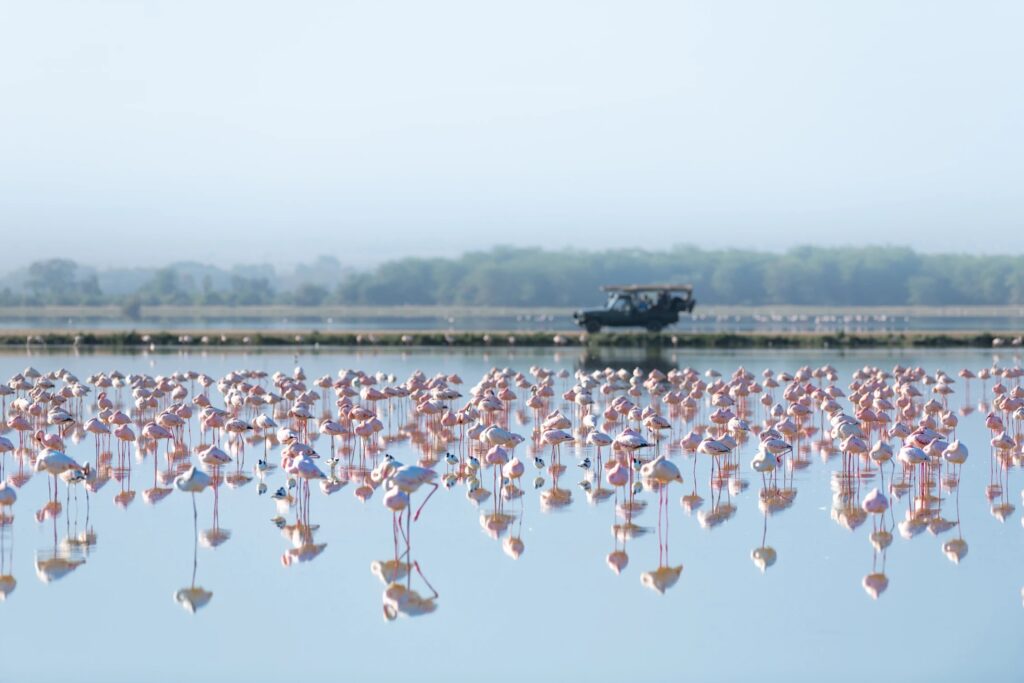
The western section of the park also encompasses part of a dry, Pleistocene lake basin (the Pleistocene is the geological epoch that lasted from about 2,500,000 to 12,000 years ago, spanning the earth’s most recent period of repeated glaciations). Within this basin, Lake Amboseli is typically dry except during heavy rainy seasons, when it fills with shallow, alkaline water accompanied by a pink flush of opportunistic flamingos. Away from the lakes and marshes, the park is characterised by sparse vegetation and dusty volcanic soils. The name Amboseli is a corruption of the Maa word ‘Empusel’, which translates roughly as “salty, dusty place”.
The park is a core part of the much larger Greater Amboseli ecosystem (also termed the Amboseli-Tsavo-Kilimanjaro ecosystem or various iterations thereof). This massive area of some 8000 square km encompasses Amboseli, Chyulu Hills, Tsavo East and West, Mount Kilimanjaro National Park, and everything in between. On the outskirts of Amboseli, there are several conservancies dedicated to conservation and tourism. These increase the available protected land considerably while offering the discerning traveller a more exclusive experience. The conservancies are supported by the Amboseli Ecosystem Trust, which was established to maintain the larger ecosystem and reduce human-wildlife conflict as wild animals move along ancient migratory paths between the various formally protected parks. These are some of the few reasons why Amboseli was declared a UNESCO-Mab Biosphere Reserve in 1991.
Amboseli is a must-see destination, and at the right time of year, it works exceptionally well in combination when visiting the Maasai Mara and/or Mara Conservancies. It is waiting for you to discover its beauty, let your curiosity inspire you.