Our blog is where we share what we’re learning, what we’re noticing, and what’s worth knowing before you go. Field notes, destination guides, seasonal updates.

Follow Us
EXPLORE

Every great safari begins with a single conversation. Whenever you’re ready, we’re here.

See Africa the way we see it, through the eyes of people who never stopped looking.

We only work in wild places we’re committed to protecting. Here’s what that looks like in practice.

Honest answers to the questions worth asking before you go.

Overview Map Quick Facts Regions FAQ's -

The Country

Kenya Safari Guide

Kenya is possibly Africa’s most definitive safari destination, but its appeal for modern luxury travel goes beyond the familiar image of migration herds on the Mara. Kenya, after all, is a country of made up of beautifully run private conservancies, picturesque mountain backdrops, a strong cultural identity and an Indian Ocean coast that turns your trip into a complete bush-and-beach safari. It is also one of the easiest places in Africa to create a contrasting itinerary, from Amboseli’s elephant country to Samburu’s arid north, Laikipia’s private ranches, and barefoot days at Lamu or Watamu.

Kenya stands out for the quality of its guiding, the sophistication of its conservancy model and the variety of experiences available beyond the game vehicle. Walking, horseback riding, camel safaris, community visits, fly-camping, and hot-air ballooning can all fit naturally into a single trip.

Where to go

Explore Kenya

Mara Conservancies

The Mara conservancies are, for many luxury travellers, the most compelling way to experience the greater Mara ecosystem. Located around the national reserve on community-owned land leased to low-density camps, they offer a more private, more flexible safari style

Maasai Mara

The Maasai Mara is one of the great names in wildlife travel and remains extraordinary for good reason. Its open plains, river systems and predator-rich grasslands host one of the planet’s most celebrated natural events — the migration — but the Mara is far more than a seasonal spectacle.

Laikipia

Laikipia is one of Kenya’s most sophisticated safari regions: a mosaic of private conservancies, ranchlands, valleys and wild uplands where conservation, community partnerships and exceptional guiding intersect. Unlike a traditional national park, Laikipia feels layered and deeply tailored.

Amboseli

Amboseli is one of Africa’s most recognisable safari landscapes, thanks to its great elephant herds and the extraordinary backdrop of Mount Kilimanjaro. The park itself is relatively compact, but its concentration of swamps, open plains and acacia country creates strong wildlife visibility

Lake Nakuru

Lake Nakuru offers a compact, scenic and productive safari in the Great Rift Valley. The alkaline lake, escarpment backdrop and varied woodland make it visually appealing, while the park’s rhino populations and strong general game viewing give it substance.

Samburu

Samburu offers a strikingly different Kenya: hotter, drier and more sculptural than the south, with rocky hills, doum palms and the Ewaso Ng’iro River bringing life to an otherwise austere landscape. It feels wilder and more elemental than the

Tsavo

Tsavo is one of Kenya’s grandest and most underrated safari landscapes: vast, raw and wonderfully varied, stretching from red-dust plains to lava fields, springs and volcanic hills. The two parks are often spoken of together, but they feel quite different.

Lamu Island

Lamu is one of East Africa’s most atmospheric coastal escapes: a place of carved doors, dhow sails, rooftop terraces and a Swahili heritage unlike anywhere else in the region. It is not a beach destination in the conventional resort sense, but a cultural seascape where barefoot elegance and history sit naturally together.

Watamu

Watamu is one of Kenya’s most appealing coast-and-marine destinations, balancing relaxed beach life with serious snorkelling, diving and access to one of the country’s richest marine environments. It is softer and more residential in feel than some larger beach centres, making it especially attractive.

Map Key

AREAS WE RECOMMEND

click on these icons to learn more about the area.

Points of Interest

LAKES / WATER ZONES

Plan by region

Kenya REGIONS

Click a region below to learn more about the area.

01

overview

Mara Conservancies

The Mara conservancies are, for many luxury travellers, the most compelling way to experience the greater Mara ecosystem. Located around the national reserve on community-owned land leased to low-density camps, they offer a more private, more flexible safari style — often with fewer vehicles, off-road driving, night drives and walking. The conservancies retain the Mara’s wildlife richness while adding a sense of exclusivity and intimacy that suits high-end travel exceptionally well.
Reasons to Visit
The conservancies bordering the Masai Mara National Reserve, among them Olare Motorogi, Naboisho, Ol Kinyei and Mara North, offer the same wildlife as the reserve but with a fraction of the vehicle numbers. Activities off the main tracks, including night drives, walking safaris and fly camping, are permitted within the conservancies and unavailable inside the reserve itself. For those who have visited the Mara before and know what they are looking for, the conservancies are consistently the better choice.
The conservancies operate on a model in which Maasai landowners lease their land for conservation, receiving a direct monthly income independent of the ebb and flow of tourism. This alignment of economic interest with wildlife protection has produced landscapes where poaching is low, wildlife moves freely between conservancy and reserve, and the relationship between local communities and the safari industry is genuinely functional. Visiting a conservancy is a direct act of participation in a model with real results.
The conservancies sit squarely on the route that wildebeest follow as they move north from the Serengeti each year. During the main migration period from July to October, the herds pass through conservancy land as naturally as they move through the reserve itself, often in greater calm and with far fewer competing vehicles. The Mara and Talek river crossings are accessible from several of the conservancies, frequently without the crowds that gather at the reserve’s most photographed points.

01

overview

Mara Conservancies

The Mara conservancies are, for many luxury travellers, the most compelling way to experience the greater Mara ecosystem. Located around the national reserve on community-owned land leased to low-density camps, they offer a more private, more flexible safari style — often with fewer vehicles, off-road driving, night drives and walking. The conservancies retain the Mara’s wildlife richness while adding a sense of exclusivity and intimacy that suits high-end travel exceptionally well.
Reasons to Visit
The conservancies bordering the Masai Mara National Reserve, among them Olare Motorogi, Naboisho, Ol Kinyei and Mara North, offer the same wildlife as the reserve but with a fraction of the vehicle numbers. Activities off the main tracks, including night drives, walking safaris and fly camping, are permitted within the conservancies and unavailable inside the reserve itself. For those who have visited the Mara before and know what they are looking for, the conservancies are consistently the better choice.
The conservancies operate on a model in which Maasai landowners lease their land for conservation, receiving a direct monthly income independent of the ebb and flow of tourism. This alignment of economic interest with wildlife protection has produced landscapes where poaching is low, wildlife moves freely between conservancy and reserve, and the relationship between local communities and the safari industry is genuinely functional. Visiting a conservancy is a direct act of participation in a model with real results.
The conservancies sit squarely on the route that wildebeest follow as they move north from the Serengeti each year. During the main migration period from July to October, the herds pass through conservancy land as naturally as they move through the reserve itself, often in greater calm and with far fewer competing vehicles. The Mara and Talek river crossings are accessible from several of the conservancies, frequently without the crowds that gather at the reserve’s most photographed points.

01

overview

Masai Mara

The Maasai Mara is one of the great names in wildlife travel and remains extraordinary for good reason. Its open plains, river systems and predator-rich grasslands host one of the planet’s most celebrated natural events — the migration — but the Mara is far more than a seasonal spectacle. Even outside migration months, it offers classic East African safari with superb cat sightings, dramatic scenery and an unmistakable sense of scale.
Reasons to Visit
The Masai Mara is where the Great Migration reaches its most dramatic point. Between July and October, more than 1.5 million wildebeest cross from Tanzania’s Serengeti into the Mara ecosystem in search of the short grass that the Kenyan rains have produced. The Mara River crossings, in which thousands of animals enter crocodile-filled water simultaneously, draw wildlife photographers and naturalists from every continent, and represent one of the most compelling wildlife spectacles that Africa produces anywhere, in any season.
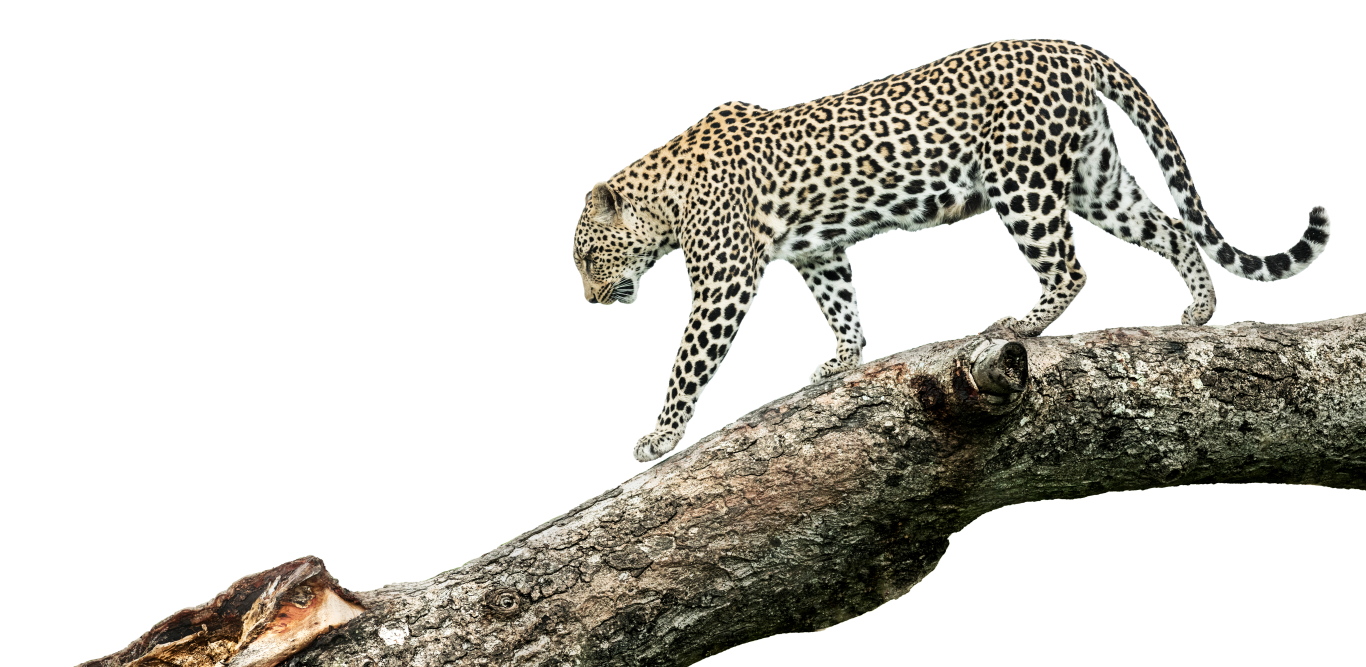
Beyond the migration, the Masai Mara sustains one of the highest densities of lion, leopard and cheetah in Africa. The open grassland permits long, unobstructed sightings and makes for exceptional observation of hunting behaviour and social dynamics. The Mara’s lion prides are among the most extensively studied in the world, and whether you are watching a pride on a kill at dawn or a cheetah scanning the plain from a termite mound, these encounters are consistent and reliable across every month of the year.
The Masai Mara is the definitive East African safari destination, and the breadth of its game viewing reflects that. Elephant, buffalo, giraffe, hippo and all of the major predators are resident year-round, and the reserve’s open topography means that animals are rarely obscured and sightings rarely cut short. The Mara defines what most people picture when they imagine an African safari, and on the ground it very rarely disappoints.

01

overview

Masai Mara

The Maasai Mara is one of the great names in wildlife travel and remains extraordinary for good reason. Its open plains, river systems and predator-rich grasslands host one of the planet’s most celebrated natural events — the migration — but the Mara is far more than a seasonal spectacle. Even outside migration months, it offers classic East African safari with superb cat sightings, dramatic scenery and an unmistakable sense of scale.
Reasons to Visit
The Masai Mara is where the Great Migration reaches its most dramatic point. Between July and October, more than 1.5 million wildebeest cross from Tanzania’s Serengeti into the Mara ecosystem in search of the short grass that the Kenyan rains have produced. The Mara River crossings, in which thousands of animals enter crocodile-filled water simultaneously, draw wildlife photographers and naturalists from every continent, and represent one of the most compelling wildlife spectacles that Africa produces anywhere, in any season.
Beyond the migration, the Masai Mara sustains one of the highest densities of lion, leopard and cheetah in Africa. The open grassland permits long, unobstructed sightings and makes for exceptional observation of hunting behaviour and social dynamics. The Mara’s lion prides are among the most extensively studied in the world, and whether you are watching a pride on a kill at dawn or a cheetah scanning the plain from a termite mound, these encounters are consistent and reliable across every month of the year.
The Masai Mara is the definitive East African safari destination, and the breadth of its game viewing reflects that. Elephant, buffalo, giraffe, hippo and all of the major predators are resident year-round, and the reserve’s open topography means that animals are rarely obscured and sightings rarely cut short. The Mara defines what most people picture when they imagine an African safari, and on the ground it very rarely disappoints.

01

overview

Laikipia

Laikipia is one of Kenya’s most sophisticated safari regions: a mosaic of private conservancies, ranchlands, valleys and wild uplands where conservation, community partnerships and exceptional guiding intersect. Unlike a traditional national park, Laikipia feels layered and deeply tailored — ideal for travellers who want exclusivity, flexibility and more than game drives alone.
Reasons to Visit
The Laikipia Plateau covers more than 9,500 square kilometres of Kenya’s central highlands, managed as a mosaic of private ranches and community conservancies that collectively protect one of the country’s most significant wildlife populations outside the national parks. Guest numbers are deliberately low across the plateau, and the activities available, from horseback safaris to fly camping, operate with a freedom that more regulated destinations cannot offer.
Laikipia holds the second-largest elephant population in Kenya and a significant proportion of the country’s remaining black rhino. Its network of privately managed conservancies has become one of the most successful examples of community-based conservation in Africa, demonstrating what is achievable when wildlife and land ownership are brought into genuine alignment. Grevy’s zebra, endangered and found only in northern Kenya and Ethiopia, are also reliably encountered across the plateau.
Laikipia is one of the few places in Africa where horseback safaris can be conducted in the presence of free-ranging elephant, lion and buffalo. Moving through the bush at pace, without the barrier of a vehicle, changes the dynamic of a wildlife encounter in ways that take most people by surprise. Camel safaris offer a quieter alternative, covering ground through the dry north with pack animals and guides who have known the landscape for generations.

01

overview

Laikipia

Laikipia is one of Kenya’s most sophisticated safari regions: a mosaic of private conservancies, ranchlands, valleys and wild uplands where conservation, community partnerships and exceptional guiding intersect. Unlike a traditional national park, Laikipia feels layered and deeply tailored — ideal for travellers who want exclusivity, flexibility and more than game drives alone.
Reasons to Visit
The Laikipia Plateau covers more than 9,500 square kilometres of Kenya’s central highlands, managed as a mosaic of private ranches and community conservancies that collectively protect one of the country’s most significant wildlife populations outside the national parks. Guest numbers are deliberately low across the plateau, and the activities available, from horseback safaris to fly camping, operate with a freedom that more regulated destinations cannot offer.
Laikipia holds the second-largest elephant population in Kenya and a significant proportion of the country’s remaining black rhino. Its network of privately managed conservancies has become one of the most successful examples of community-based conservation in Africa, demonstrating what is achievable when wildlife and land ownership are brought into genuine alignment. Grevy’s zebra, endangered and found only in northern Kenya and Ethiopia, are also reliably encountered across the plateau.
Laikipia is one of the few places in Africa where horseback safaris can be conducted in the presence of free-ranging elephant, lion and buffalo. Moving through the bush at pace, without the barrier of a vehicle, changes the dynamic of a wildlife encounter in ways that take most people by surprise. Camel safaris offer a quieter alternative, covering ground through the dry north with pack animals and guides who have known the landscape for generations.

01

overview

Amboseli

Amboseli is one of Africa’s most recognisable safari landscapes, thanks to its great elephant herds and the extraordinary backdrop of Mount Kilimanjaro. The park itself is relatively compact, but its concentration of swamps, open plains and acacia country creates strong wildlife visibility and unforgettable photographic moments. It is a powerful short stay and a superb first introduction to East African safari.
Reasons to Visit
Amboseli National Park sits at the foot of Mount Kilimanjaro, Africa’s highest peak at 5,895 metres, and on a clear morning the mountain fills the northern horizon above the park’s swamps and dust plains with a presence that stops most people mid-sentence. The combination of large elephant herds moving through the acacia scrub with Kilimanjaro’s snowcapped summit behind them is one of the most iconic images in African photography, and one that the park delivers with genuine regularity.
Amboseli sits within traditional Maasai land, and the relationship between the park and the communities surrounding it is central to how the ecosystem functions. Several camps here operate in direct partnership with Maasai landowners, and visits to nearby bomas offer genuine engagement with a pastoral culture that has coexisted with wildlife on these plains for centuries. The Maasai have been here longer than the park, and understanding that context changes how you see everything around you.
Amboseli is reachable from Nairobi in under five hours by road, or via a 45-minute charter flight, making it the most accessible of Kenya’s major safari destinations. Two or three nights delivers consistent elephant encounters, strong game viewing and the Kilimanjaro backdrop within a timeframe that suits travellers combining safari with other elements of a wider itinerary. Few parks give so much in so little time.

01

overview

Amboseli

Amboseli is one of Africa’s most recognisable safari landscapes, thanks to its great elephant herds and the extraordinary backdrop of Mount Kilimanjaro. The park itself is relatively compact, but its concentration of swamps, open plains and acacia country creates strong wildlife visibility and unforgettable photographic moments. It is a powerful short stay and a superb first introduction to East African safari.
Reasons to Visit
Amboseli National Park sits at the foot of Mount Kilimanjaro, Africa’s highest peak at 5,895 metres, and on a clear morning the mountain fills the northern horizon above the park’s swamps and dust plains with a presence that stops most people mid-sentence. The combination of large elephant herds moving through the acacia scrub with Kilimanjaro’s snowcapped summit behind them is one of the most iconic images in African photography, and one that the park delivers with genuine regularity.
Amboseli sits within traditional Maasai land, and the relationship between the park and the communities surrounding it is central to how the ecosystem functions. Several camps here operate in direct partnership with Maasai landowners, and visits to nearby bomas offer genuine engagement with a pastoral culture that has coexisted with wildlife on these plains for centuries. The Maasai have been here longer than the park, and understanding that context changes how you see everything around you.
Amboseli is reachable from Nairobi in under five hours by road, or via a 45-minute charter flight, making it the most accessible of Kenya’s major safari destinations. Two or three nights delivers consistent elephant encounters, strong game viewing and the Kilimanjaro backdrop within a timeframe that suits travellers combining safari with other elements of a wider itinerary. Few parks give so much in so little time.

01

overview

Lake Nakuru

Lake Nakuru offers a compact, scenic and productive safari in the Great Rift Valley. The alkaline lake, escarpment backdrop and varied woodland make it visually appealing, while the park’s rhino populations and strong general game viewing give it substance. It works best as part of a wider Kenya journey rather than as a stand-alone safari destination.
Reasons to Visit
Lake Nakuru, set within Kenya’s Rift Valley, has long been associated with flamingo gatherings on a scale that can turn the lake’s surface entirely pink. At peak concentrations, up to two million lesser flamingos have been recorded on the lake simultaneously, drawn by the algae that its alkaline water supports. Numbers shift with water levels and algae density, but even in quieter periods the flamingo presence is considerable and the lake is unlike almost anywhere else in East Africa.
Lake Nakuru National Park is a fenced sanctuary holding one of Kenya’s most important populations of both black and white rhino. The combination of perimeter fencing and intensive anti-poaching operations has made Nakuru one of the most reliable places in East Africa to see rhino, often at close quarters and for extended periods. The park has functioned as a source population for reintroductions across Kenya, and the work done here has had consequences well beyond its own boundaries.
The escarpment above the lake provides a series of elevated viewpoints looking down across the water and the surrounding woodland, with flamingo flocks, pelicans and game arranged below in a single uninterrupted view. Baboon Cliff and Lion Hill are the most established of these, and the perspective they offer, with the full breadth of the Rift Valley walls visible on all sides, gives a sense of just how ancient and geologically significant this landscape is.

01

overview

Lake Nakuru

Lake Nakuru offers a compact, scenic and productive safari in the Great Rift Valley. The alkaline lake, escarpment backdrop and varied woodland make it visually appealing, while the park’s rhino populations and strong general game viewing give it substance. It works best as part of a wider Kenya journey rather than as a stand-alone safari destination.
Reasons to Visit
Lake Nakuru, set within Kenya’s Rift Valley, has long been associated with flamingo gatherings on a scale that can turn the lake’s surface entirely pink. At peak concentrations, up to two million lesser flamingos have been recorded on the lake simultaneously, drawn by the algae that its alkaline water supports. Numbers shift with water levels and algae density, but even in quieter periods the flamingo presence is considerable and the lake is unlike almost anywhere else in East Africa.
Lake Nakuru National Park is a fenced sanctuary holding one of Kenya’s most important populations of both black and white rhino. The combination of perimeter fencing and intensive anti-poaching operations has made Nakuru one of the most reliable places in East Africa to see rhino, often at close quarters and for extended periods. The park has functioned as a source population for reintroductions across Kenya, and the work done here has had consequences well beyond its own boundaries.
The escarpment above the lake provides a series of elevated viewpoints looking down across the water and the surrounding woodland, with flamingo flocks, pelicans and game arranged below in a single uninterrupted view. Baboon Cliff and Lion Hill are the most established of these, and the perspective they offer, with the full breadth of the Rift Valley walls visible on all sides, gives a sense of just how ancient and geologically significant this landscape is.

01

overview

Samburu Kenya

Samburu offers a strikingly different Kenya: hotter, drier and more sculptural than the south, with rocky hills, doum palms and the Ewaso Ng’iro River bringing life to an otherwise austere landscape. It feels wilder and more elemental than the Mara, and it is particularly rewarding for travellers who want contrast and a strong sense of place. Samburu is also one of Kenya’s best regions for seeing northern species absent from the southern circuit.
Reasons to Visit
Samburu National Reserve in Kenya’s arid north is one of the only places in the country where five range-restricted species coexist within a single protected area: Grevy’s zebra, reticulated giraffe, Beisa oryx, Somali ostrich and gerenuk, the last a long-necked antelope with the distinctive habit of standing upright on its hind legs to browse from acacia branches. These five species are the primary reason wildlife enthusiasts make the journey north, and all five are encountered with genuine regularity within the reserve.
Samburu receives a fraction of the visitors that pass through the Masai Mara each year, and the difference in atmosphere is immediately apparent. Game drives cover ground without encountering other vehicles. Sightings run at their own pace. The dry, acacia-studded landscape, with the Ewaso Ng’iro River running through the reserve’s centre, has a quality of light and space that feels entirely different from Kenya’s greener southerly parks, and that contrast alone is a reason to come.
The Samburu people have inhabited this region for centuries, maintaining a pastoral culture closely related to but distinct from the Maasai. Several camps in and around the reserve work in close partnership with local Samburu communities, and cultural visits led by community members rather than intermediaries offer genuine engagement with a way of life that continues to function on its own terms alongside one of Kenya’s finest wildlife areas.

01

overview

Samburu Kenya

Samburu offers a strikingly different Kenya: hotter, drier and more sculptural than the south, with rocky hills, doum palms and the Ewaso Ng’iro River bringing life to an otherwise austere landscape. It feels wilder and more elemental than the Mara, and it is particularly rewarding for travellers who want contrast and a strong sense of place. Samburu is also one of Kenya’s best regions for seeing northern species absent from the southern circuit.
Reasons to Visit
Samburu National Reserve in Kenya’s arid north is one of the only places in the country where five range-restricted species coexist within a single protected area: Grevy’s zebra, reticulated giraffe, Beisa oryx, Somali ostrich and gerenuk, the last a long-necked antelope with the distinctive habit of standing upright on its hind legs to browse from acacia branches. These five species are the primary reason wildlife enthusiasts make the journey north, and all five are encountered with genuine regularity within the reserve.
Samburu receives a fraction of the visitors that pass through the Masai Mara each year, and the difference in atmosphere is immediately apparent. Game drives cover ground without encountering other vehicles. Sightings run at their own pace. The dry, acacia-studded landscape, with the Ewaso Ng’iro River running through the reserve’s centre, has a quality of light and space that feels entirely different from Kenya’s greener southerly parks, and that contrast alone is a reason to come.
The Samburu people have inhabited this region for centuries, maintaining a pastoral culture closely related to but distinct from the Maasai. Several camps in and around the reserve work in close partnership with local Samburu communities, and cultural visits led by community members rather than intermediaries offer genuine engagement with a way of life that continues to function on its own terms alongside one of Kenya’s finest wildlife areas.

01

overview

Tsavo

Tsavo is one of Kenya’s grandest and most underrated safari landscapes: vast, raw and wonderfully varied, stretching from red-dust plains to lava fields, springs and volcanic hills. The two parks are often spoken of together, but they feel quite different — Tsavo East broader and more open, Tsavo West greener, hillier and more geologically dramatic. They are especially useful in itineraries linking safari with the Kenyan coast.
Reasons to Visit
Tsavo’s elephants are unlike those found anywhere else in Africa. They bathe and dust in the park’s distinctive red volcanic soil, coating their skin in the copper-red colour that has made them one of the most recognisable populations on the continent. Tsavo East and West together protect Kenya’s largest elephant population, with more than 11,000 individuals moving between the two parks. Watching a herd of red elephants cross red-earthed savanna is an image that belongs entirely and only to this place.
The Shetani lava flows in Tsavo West cover approximately 50 square kilometres of black volcanic rock, formed in an eruption estimated to have occurred fewer than 200 years ago. The name means “devil” in Swahili, reflecting the local belief that nothing natural could have produced a landscape so alien. The flows remain largely uncolonised by vegetation, and the contrast between black lava and the surrounding red-earthed savanna makes for one of the more visually arresting landscapes in East Africa.
Deep within Tsavo West, Mzima Springs produces approximately 225 million litres of crystal-clear water per day, filtered through ancient volcanic rock from rainfall on the Chyulu Hills. The springs feed a series of pools supporting hippo, crocodile and a striking diversity of fish and waterbirds in the middle of an otherwise semi-arid landscape. An underwater viewing chamber allows visitors to watch hippo moving through the water from below the surface, one of the more genuinely unusual wildlife experiences Kenya offers.

01

overview

Tsavo

Tsavo is one of Kenya’s grandest and most underrated safari landscapes: vast, raw and wonderfully varied, stretching from red-dust plains to lava fields, springs and volcanic hills. The two parks are often spoken of together, but they feel quite different — Tsavo East broader and more open, Tsavo West greener, hillier and more geologically dramatic. They are especially useful in itineraries linking safari with the Kenyan coast.
Reasons to Visit
Tsavo’s elephants are unlike those found anywhere else in Africa. They bathe and dust in the park’s distinctive red volcanic soil, coating their skin in the copper-red colour that has made them one of the most recognisable populations on the continent. Tsavo East and West together protect Kenya’s largest elephant population, with more than 11,000 individuals moving between the two parks. Watching a herd of red elephants cross red-earthed savanna is an image that belongs entirely and only to this place.
The Shetani lava flows in Tsavo West cover approximately 50 square kilometres of black volcanic rock, formed in an eruption estimated to have occurred fewer than 200 years ago. The name means “devil” in Swahili, reflecting the local belief that nothing natural could have produced a landscape so alien. The flows remain largely uncolonised by vegetation, and the contrast between black lava and the surrounding red-earthed savanna makes for one of the more visually arresting landscapes in East Africa.
Deep within Tsavo West, Mzima Springs produces approximately 225 million litres of crystal-clear water per day, filtered through ancient volcanic rock from rainfall on the Chyulu Hills. The springs feed a series of pools supporting hippo, crocodile and a striking diversity of fish and waterbirds in the middle of an otherwise semi-arid landscape. An underwater viewing chamber allows visitors to watch hippo moving through the water from below the surface, one of the more genuinely unusual wildlife experiences Kenya offers.

01

overview

Lamu Island

Lamu is one of East Africa’s most atmospheric coastal escapes: a place of carved doors, dhow sails, rooftop terraces and a Swahili heritage unlike anywhere else in the region. It is not a beach destination in the conventional resort sense, but a cultural seascape where barefoot elegance and history sit naturally together. For travellers who value character as much as comfort, Lamu is deeply special.
Reasons to Visit
Lamu Old Town is one of the oldest and best-preserved Swahili settlements in East Africa, and one of the quietest. Cars are banned; the streets are too narrow for them. Donkeys and boats are the primary means of getting around, and the pace of life that follows is genuinely unhurried in a way that most destinations only claim to be. The absence of engine noise is itself a quality of rest that takes a little time to properly absorb.
Lamu Old Town was inscribed as a UNESCO World Heritage Site in 2001, recognised as the oldest and best-preserved Swahili settlement in East Africa. Its architecture reflects centuries of Arab, Persian, Indian and Portuguese influence layered onto an African foundation: intricately carved wooden doors, courtyard houses designed to catch the sea breeze, and mosques built in the 14th century still in regular use. The culture here is living rather than preserved, and that makes all the difference.
The dhow is the traditional vessel of the East African coast, and Lamu remains one of the places where it is still built, crewed and used in genuine working form. Sailing the Lamu Archipelago by dhow, moving between islands and sandbanks on the same wind that has carried these boats for a thousand years, is one of the quietest experiences the Kenyan coast offers. The archipelago’s waters also support dugong, sea turtles and dolphin, which appear alongside the sailing with a regularity that feels entirely natural.

01

overview

Lamu Island

Lamu is one of East Africa’s most atmospheric coastal escapes: a place of carved doors, dhow sails, rooftop terraces and a Swahili heritage unlike anywhere else in the region. It is not a beach destination in the conventional resort sense, but a cultural seascape where barefoot elegance and history sit naturally together. For travellers who value character as much as comfort, Lamu is deeply special.
Reasons to Visit
Lamu Old Town is one of the oldest and best-preserved Swahili settlements in East Africa, and one of the quietest. Cars are banned; the streets are too narrow for them. Donkeys and boats are the primary means of getting around, and the pace of life that follows is genuinely unhurried in a way that most destinations only claim to be. The absence of engine noise is itself a quality of rest that takes a little time to properly absorb.
Lamu Old Town was inscribed as a UNESCO World Heritage Site in 2001, recognised as the oldest and best-preserved Swahili settlement in East Africa. Its architecture reflects centuries of Arab, Persian, Indian and Portuguese influence layered onto an African foundation: intricately carved wooden doors, courtyard houses designed to catch the sea breeze, and mosques built in the 14th century still in regular use. The culture here is living rather than preserved, and that makes all the difference.
The dhow is the traditional vessel of the East African coast, and Lamu remains one of the places where it is still built, crewed and used in genuine working form. Sailing the Lamu Archipelago by dhow, moving between islands and sandbanks on the same wind that has carried these boats for a thousand years, is one of the quietest experiences the Kenyan coast offers. The archipelago’s waters also support dugong, sea turtles and dolphin, which appear alongside the sailing with a regularity that feels entirely natural.

01

overview

Watamu

Watamu is one of Kenya’s most appealing coast-and-marine destinations, balancing relaxed beach life with serious snorkelling, diving and access to one of the country’s richest marine environments. It is softer and more residential in feel than some larger beach centres, making it especially attractive to families, divers and travellers who want a stylish but unfussy coastal finish to safari.
Reasons to Visit
Watamu sits at the edge of a Marine National Park and Reserve protecting 32 kilometres of Kenya’s northern coastline, encompassing coral gardens, seagrass beds and a diversity of marine life that includes five species of sea turtle. The combination of a largely undeveloped shoreline, warm Indian Ocean water and a protected reef system within easy reach of the beach makes Watamu one of the most compelling coastal stops on the East African seaboard.
Watamu Marine National Park was established in 1968, making it one of the oldest marine protected areas in Africa, and the coral formations it protects are among the most intact on the Kenyan coast. More than 600 fish species have been recorded in the reserve alongside reef sharks, rays, octopus and hawksbill and green turtles. Between October and February, whale sharks follow the current along the coastline and can be reliably encountered by snorkellers working with local guides who track their movements on a daily basis.
The waters around Watamu support a wide range of ocean activity: deep-sea fishing for marlin and sailfish, kite surfing the channel between the beach and the outer reef, and dhow excursions to the coral gardens at low tide. Guided snorkel trips run in partnership with Local Ocean Conservation, whose sea turtle monitoring programme has been operating on this coastline since 1997, add a purposeful dimension to time spent on the water. Watamu rewards those who engage with the ocean rather than simply watching it from the shore.

01

overview

Watamu

Watamu is one of Kenya’s most appealing coast-and-marine destinations, balancing relaxed beach life with serious snorkelling, diving and access to one of the country’s richest marine environments. It is softer and more residential in feel than some larger beach centres, making it especially attractive to families, divers and travellers who want a stylish but unfussy coastal finish to safari.
Reasons to Visit
Watamu sits at the edge of a Marine National Park and Reserve protecting 32 kilometres of Kenya’s northern coastline, encompassing coral gardens, seagrass beds and a diversity of marine life that includes five species of sea turtle. The combination of a largely undeveloped shoreline, warm Indian Ocean water and a protected reef system within easy reach of the beach makes Watamu one of the most compelling coastal stops on the East African seaboard.
Watamu Marine National Park was established in 1968, making it one of the oldest marine protected areas in Africa, and the coral formations it protects are among the most intact on the Kenyan coast. More than 600 fish species have been recorded in the reserve alongside reef sharks, rays, octopus and hawksbill and green turtles. Between October and February, whale sharks follow the current along the coastline and can be reliably encountered by snorkellers working with local guides who track their movements on a daily basis.
The waters around Watamu support a wide range of ocean activity: deep-sea fishing for marlin and sailfish, kite surfing the channel between the beach and the outer reef, and dhow excursions to the coral gardens at low tide. Guided snorkel trips run in partnership with Local Ocean Conservation, whose sea turtle monitoring programme has been operating on this coastline since 1997, add a purposeful dimension to time spent on the water. Watamu rewards those who engage with the ocean rather than simply watching it from the shore.

KEY FACTS FOR Kenya

Kenya’s coast offers a very different second chapter to safari. Swahili culture, dhow sailing and coral reefs add richness to an itinerary.

The country is exceptionally strong for families and multi-generational travel. Activities are broad and service standards in leading camps are excellent.

Population Size

Approx. 53.5 million

Geographic Size

Approx. 582,646 sq km

Capital

Nairobi

Currency

Kenyan Shilling (KES)

Offical Language

Swahili and English

Best time to visit

June to October for classic safari and the Mara migration; January to March for warm, clear conditions in many regions

01

The Maasai Mara is only the southern third of the Kenyan safari map

A ring of private conservancies (Mara North, Naboisho, Ol Kinyei) borders the reserve with far lower vehicle density and walking and night-drive permissions. North of the equator, Samburu and the Mathews Range hold reticulated giraffe, Grevy’s zebra and gerenuk found nowhere further south.

Kenya, Masaai Mara, Escape Safari Co
Kenya, Elephant, Escape Safari Co

02

Amboseli holds some of the largest elephant in Africa.

Amboseli sits directly beneath Kilimanjaro. The park covers around 390 square kilometres of swamps fed by snowmelt from the mountain, which keeps elephants in the open year-round. Several individuals carry tusks weighing over 50 kilograms a side, among the last big tuskers on the continent.

Kenya, Escape Safari Co.

03

Laikipia is one of the largest private conservation areas in Africa

The plateau covers nearly 10,000 square kilometres of community and private conservancies, including Lewa, Borana and Ol Pejeta. It holds roughly half of Kenya’s black rhino population and the last two northern white rhinos on Earth, both at Ol Pejeta.

Kenya, Zebra Walking on Plains, Escape Safari Co
Kenya, Masai Tribe, Escape Safari Co

04

Modern safari was effectively invented in Kenya.

Safari is a Swahili word for journey, and the country was the proving ground for the photographic safari from the 1920s onward, replacing the older hunting expeditions. Many of the camps, guides and families operating in Kenya today trace their work back four or five generations.

Before you go

Kenya FAQ's

Do I need a visa for Kenya?

Most foreign visitors now need Kenya’s electronic travel authorisation before travel, and that includes children and infants. Processing is often quick, but for a polished trip it is wise to apply at least several days ahead and preferably with more buffer than that. Use the official platform and treat the approval as something to have in hand before you leave home, not something to chase at the airport.

Do I need a yellow fever certificate for Kenya?

Yellow fever rules depend on where you are arriving from or transiting through, so the risk is shaped by route as much as destination. Guests arriving directly from Europe or the Gulf often have a simpler process than those combining Kenya with other African countries. If your itinerary touches a yellow-fever-risk country, plan on carrying the certificate rather than assuming it will not be checked.

Do I need a separate visa if I'm combining a coastal stay?

If you are arriving into Kenya for safari and then continuing to the coast within Kenya, there is usually no separate immigration process beyond normal domestic travel. What does matter is airline timing, baggage allowances and whether your domestic carrier is stricter than your long-haul airline. If you are then continuing beyond Kenya to another country or island, that onward destination may introduce its own visa or health formalities.

Is Kenya malaria-free?

For many safari areas and most coastal extensions, malaria planning is part of standard preparation. Nairobi on its own is a different discussion, but once you are heading to the Mara, Amboseli, Samburu, Laikipia lowlands or the coast, a travel doctor will usually assess the whole itinerary rather than one stop in isolation. In practical terms, many Kenya safari-and-beach journeys are planned on the assumption that prophylaxis may be appropriate.

What travel insurance do I need for a trip to Kenya?

Kenya is well served by private hospitals in Nairobi and Mombasa, and many high-end camps have strong relationships with flying medical services. That makes the country reassuring by African safari standards, but remote camps are still remote, so proper evacuation cover remains important. For older guests, families and celebratory travelers, that back-up network is one of Kenya’s real advantages.

Is Kenya suited for multigenerational travel?

Yes, if you choose the right camps and logistics. Safari flights are usually short and manageable, private vehicles transform the comfort level for families, and the best lodges know how to adapt game drives for children or grandparents. The only caveat is that some walks, camel activities or minimum age rules mean the itinerary should be designed around the youngest or least mobile guest.

Should I stay in the Maasai Mara reserve itself or in one of the conservancies?

For most luxury travellers, the conservancies are the more refined answer. They typically offer fewer vehicles, more privacy, night drives, off-road flexibility and a stronger sense of exclusivity, while the reserve itself still matters for certain migration moments and iconic landscapes. If you want the classic Mara with a higher-end feel, a conservancy base is often the smartest compromise.

Are luggage limits strict in Kenya?

Yes – baggage limits on safari flights are often properly enforced, and soft-sided luggage is the safest assumption throughout. Around 15 kg inclusive of hand luggage is still a common planning benchmark, even though the exact allowance varies by carrier and route. Guests with camera gear or long-stay wardrobes should plan for laundry and restraint rather than rigid suitcases.

Is it realistic to combine multiple parks in one Kenyan Itinerary?

It is realistic, but the number of regions should match the trip length. Over eight to twelve nights, the Mara plus one or two contrasting areas such as Laikipia, Amboseli or Samburu can work beautifully if you are flying; squeeze more in and the trip starts revolving around airstrips. Kenya is at its best when each ecosystem has time to feel distinct.

When is the best time to visit Kenya?

If you are chasing the Migration itself, later dry-season months are the obvious headline. If you care more about greener landscapes, softer light, lower rates and a quieter feel, Kenya’s shoulder periods can be deeply rewarding. The country is strong in more than one season, but each month emphasizes a different version of the safari.

Are additional Kenya activities worth ti?

For many high-end guests, yes. A balloon safari is not mandatory, but it is memorable for honeymooners and first-timers; a private vehicle is often worth every cent because it transforms flexibility; and photographic vehicles matter if the group is genuinely image-led rather than simply keen on good pictures. These are not vanity add-ons if they are aligned with how the party wants to travel.

Can I add on a coastal stay to the end of my Kenya safari?

Watamu is usually the easier, more seamless beach extension, while Lamu is more atmospheric, characterful and transfer-sensitive. If the trip is short and safari is the main event, ending on the coast is not compulsory; Kenya can stand perfectly well as a safari-only journey. The best answer depends on whether you want your final note to be beach ease or coastal romance.
START YOUR NEXT ADVENTURE

Get in touch and let us help you plan your dream safari

Thank you

You’re in good hands.

We’ve received your enquiry, and someone from our team will be reviewing it shortly. You’ll hear from us soon.

BE INSPIRED BY YOUR CURIOSITY