Horseback Safaris are one of the oldest and most rewarding ways to travel through Africa, bringing you eye level with wildlife. A quality of closeness to nature and wildlife that few other forms of safari can replicate.
Our blog is where we share what we’re learning, what we’re noticing, and what’s worth knowing before you go. Field notes, destination guides, seasonal updates.
Every great safari begins with a single conversation. Whenever you’re ready, we’re here.
We only work in wild places we’re committed to protecting. Here’s what that looks like in practice.
Horseback Safaris are one of the oldest and most rewarding ways to travel through Africa, bringing you eye level with wildlife. A quality of closeness to nature and wildlife that few other forms of safari can replicate.
The reason wildlife tolerates horses so well is rooted in simple biology. Horses help mask the human scent, and many animals that would instinctively move away from a game vehicle will hold their ground, or even approach, when encountered from horseback. This allows for a quality of wildlife interaction that is genuinely different from anything a conventional safari can offer. Horseback safaris are available across a range of African destinations.
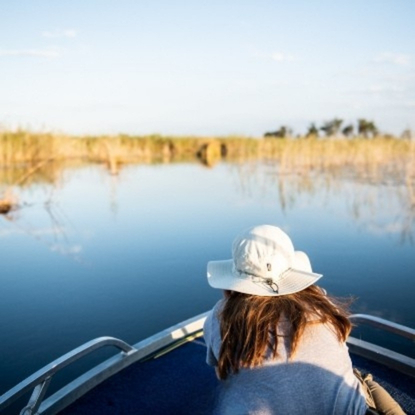
Each region offers a completely different landscape and a different quality of experience. Some of the finest horseback safari destinations in Africa are found in Botswana. Visiting the Okavango Delta allows you to ride through seasonal floodplains alongside elephant, buffalo and giraffe. The Makgadikgadi Salt Pans transform between November and April, where the pans come alive with algae, crustaceans and flocks of flamingos.
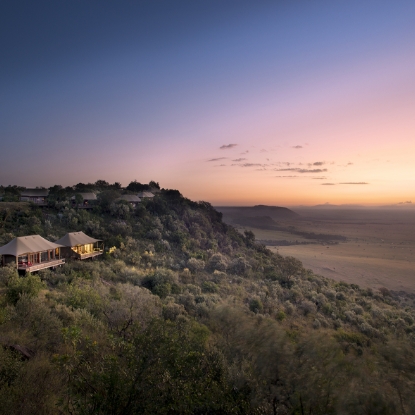
The Chyulu Hills in Kenya, a young volcanic landscape located between Tsavo and Amboseli National Parks, offer riding through one of the most scenic backdrops on the continent. In South Africa, the Limpopo Province provides a varied riding landscape through valleys, canyons and rivers, with the added dimension of outstanding Big Five game viewing.
A reasonable level of riding ability is recommended for most horseback safaris, as the terrain can be varied and the encounters with wildlife unpredictable. Experienced riding guides will always match you with a horse that suits your temperament and ability, and will manage any wildlife encounters with the calm authority that comes from years in the field.
Before you saddle up for a horseback safari, ensure that you’re comfortable with riding. Our experienced guides will match you with a horse that suits your temperament. Remember, these safaris entail extended horseback periods, so a good fitness level will enhance your experience.
The African elephant is the largest land animal, known for its immense size, distinctive trunk, and prominent tusks. They are herbivores and play a crucial role in shaping and maintaining their habitats. African elephants are highly intelligent, social creatures with complex social structures.
Both black and white rhinoceroses are large, thick-skinned herbivores with two distinctive horns on their heads. Rhinos are critically endangered due to poaching for their horns, which are highly valued in illegal markets. They are essential for the ecosystem and are known for their gentle demeanor.
The African buffalo is a robust herbivore with a distinctive, large, and curving set of horns. They often live in large herds and are known for their unpredictable behavior, making them one of the most dangerous animals to hunt. Buffaloes are vital to the ecosystem, shaping vegetation patterns through their grazing habits.
Whether you are an experienced rider looking for a multi-day expedition on horseback through a remote wilderness area, or someone seeking a shorter riding experience as part of a broader itinerary, we will match you with the right operator, the right destination and the right season.
A horseback safari is not simply a different way to see Africa. It is a different way to feel it.