



.jpg)
.jpg)
.jpg)
.jpg)
.jpg)
.jpg)


.jpg)

.jpg)
.jpg)

.jpg)


.jpg)
.jpg)
.jpg)
.jpg)
.jpg)
.jpg)
.jpg)
.jpg)
.jpg)
.jpg)
.jpg)
.jpg)
.jpg)
.jpg)
.jpg)
.jpg)
.jpg)
.jpg)
.jpg)
.jpg)
.jpg)


The Country
Zimbabwe Safari Guide
For high-end travellers, Zimbabwe’s greatest strength is character. There is a slightly old-world safari rhythm here — unhurried, knowledgeable and quietly confident — that feels increasingly rare. Add one of the world’s great natural wonders at Victoria Falls, and the country becomes a superb stand-alone safari or part of a broader Southern Africa journey with Botswana, Zambia or South Africa.
Where to go
Explore Zimbabwe
Mana Pools National Park
Mana Pools is one of Africa’s most atmospheric safari landscapes: a place where the Zambezi River, wide floodplains and towering trees create scenes of extraordinary beauty. It is famous not only for wildlife, but for the way safari happens here — on foot, by canoe and in a more immersive, lower-volume style.
Victoria Falls
The Zimbabwean side of Victoria Falls offers the grandest and most classic views of the waterfall itself, with a network of viewpoints delivering the full sweep of the cascade. It is also the most established base for luxury stays, heritage hotels and polished pre- or post-safari logistics.
Hwange National Park
Hwange is Zimbabwe’s flagship safari park and one of Southern Africa’s most rewarding dry-season wildlife destinations. The park’s varied landscapes — teak woodland, open grassland, Kalahari sands and productive waterholes — support a rich mix of species, and its scale allows for both classic viewing and more private, concession-based safari.
Map Key
AREAS WE RECOMMEND
click on these icons to learn more about the area.
Points of Interest
LAKES / WATER ZONES


Plan by region
Zimbabwe REGIONS
Click a region below to learn more about the area.
- OVERVIEW
- HABITATS
- WILDLIFE
- ACTIVITIES
- WEATHER
01
overview
Mana Pools National Park
Reasons to Visit
- Iconic Walking Safaris
- The "Standing" Elephants
- Exceptional Wild Dog Sightings
HABITATS
Mana Pools National Park
WILDLIFE
Mana Pools National Park
Elephant
Buffalo
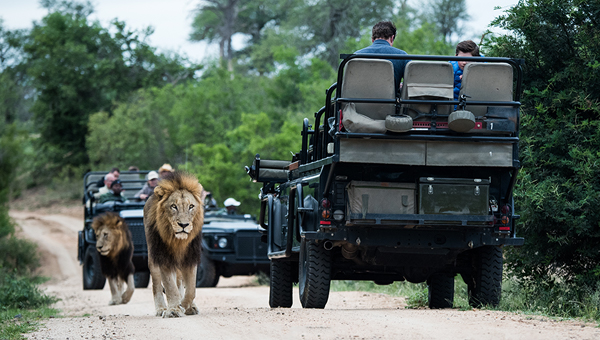
Lion
African Wild Dog
Hippo
Nile Crocodile
ACTIVITIES
Mana Pools National Park

Drive alongside the Zambezi River where elephant herds cross predictably and lion rest in riverine shade

Paddle along the Zambezi past hippo pods and crocodile banks with expert canoe guides.

Walk freely alongside elephant and lion in one of Africa's great foot-safari destinations.

Work the floodplain's extraordinary September and October light with specialist guides.
WEATHER
Mana Pools National Park
A MONTH BY MONTH BREAKDOWN OF THE WEATHER
01
overview
Mana Pools National Park
Reasons to Visit
- Iconic Walking Safaris
- The "Standing" Elephants
- Exceptional Wild Dog Sightings
HABITATS
Mana Pools National Park
WILDLIFE
Mana Pools National Park
Elephant
Buffalo
Lion
African Wild Dog
Hippo
Nile Crocodile
ACTIVITIES
Mana Pools National Park
Drive alongside the Zambezi River where elephant herds cross predictably and lion rest in riverine shade
Paddle along the Zambezi past hippo pods and crocodile banks with expert canoe guides.
Walk freely alongside elephant and lion in one of Africa's great foot-safari destinations.
Work the floodplain's extraordinary September and October light with specialist guides.
WEATHER
Mana Pools National Park
A MONTH BY MONTH BREAKDOWN OF THE WEATHER
- OVERVIEW
- HABITATS
- WILDLIFE
- ACTIVITIES
- WEATHER
01
overview
Victoria Falls Zimbabwe
Reasons to Visit
- UNESCO World Heritage site
- Adventure Hub
- Accessibility to 3 Countries
HABITATS
Victoria Falls Zimbabwe
WILDLIFE
Victoria Falls Zimbabwe
Hippo
Nile Crocodile
Elephant
ACTIVITIES
Victoria Falls Zimbabwe

Walk the Zimbabwean side for the broadest frontal views of the cataract.

Fly the full width of the Falls and gorge system from above.

Watch wildlife on the upper Zambezi as the Falls thunders behind you.

Partake in white-water Rafting, bungee-jumping or gorge swings into the basalt gorge below the Falls.
WEATHER
Victoria Falls Zimbabwe
A MONTH BY MONTH BREAKDOWN OF THE WEATHER
01
overview
Victoria Falls Zimbabwe
Reasons to Visit
- UNESCO World Heritage site
- Adventure Hub
- Accessibility to 3 Countries
HABITATS
Victoria Falls Zimbabwe
WILDLIFE
Victoria Falls Zimbabwe
Hippo
Nile Crocodile
Elephant
ACTIVITIES
Victoria Falls Zimbabwe
Walk the Zimbabwean side for the broadest frontal views of the cataract.
Fly the full width of the Falls and gorge system from above.
Watch wildlife on the upper Zambezi as the Falls thunders behind you.
Partake in white-water Rafting, bungee-jumping or gorge swings into the basalt gorge below the Falls.
WEATHER
Victoria Falls Zimbabwe
A MONTH BY MONTH BREAKDOWN OF THE WEATHER
- OVERVIEW
- HABITATS
- WILDLIFE
- ACTIVITIES
- WEATHER
01
overview
Hwange National Park
Reasons to Visit
- Massive Elephant Populations
- Exceptional Predator Sightings
- Proximity to Victoria Falls
HABITATS
Hwange National Park
WILDLIFE
Hwange National Park
Elephants
Lion
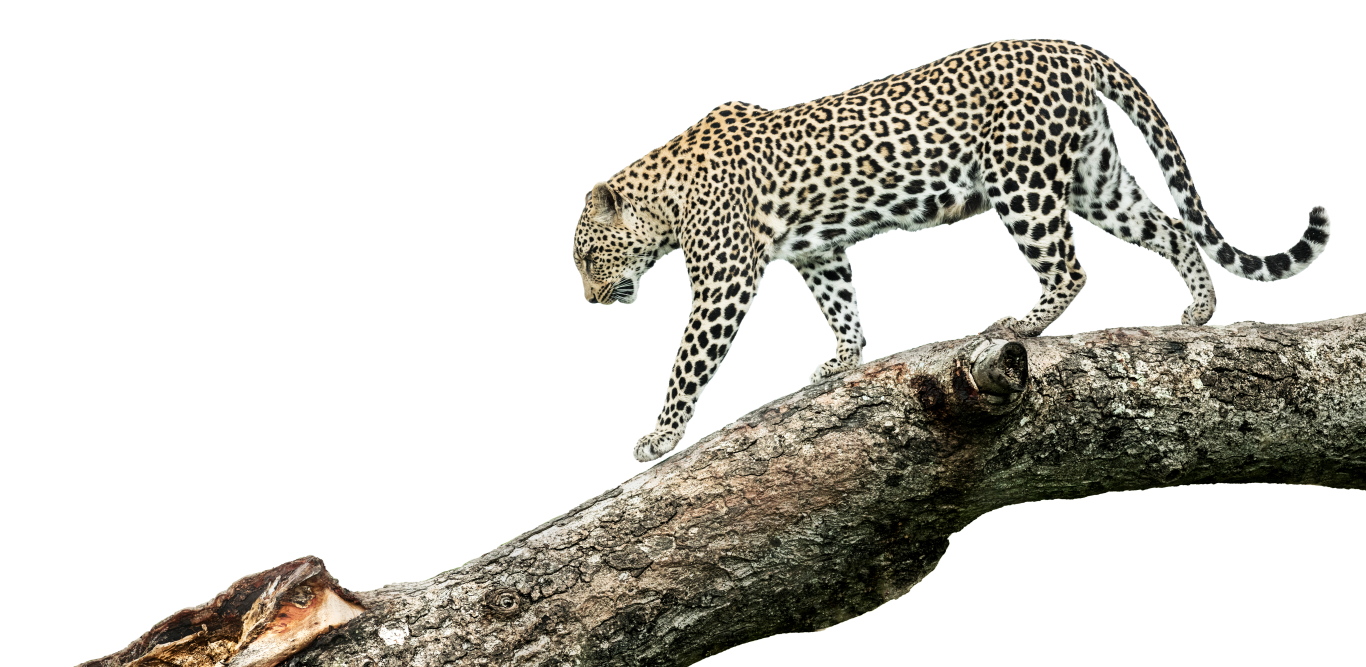
Leopards
Giraffe
Sable Antelope
Roan Antelope
ACTIVITIES
Hwange National Park

Search for leopard, brown hyena and as well as nocturnal species after dark.

Position at pumped pans for sustained elephant, lion and wild dog viewing.

Walk through teak woodland with specialist guides in private concessions.

Shoot wildlife at productive waterholes from ground-level photographic hides.
WEATHER
Hwange National Park
A MONTH BY MONTH BREAKDOWN OF THE WEATHER
01
overview
Hwange National Park
Reasons to Visit
- Massive Elephant Populations
- Exceptional Predator Sightings
- Proximity to Victoria Falls
HABITATS
Hwange National Park
WILDLIFE
Hwange National Park
Elephants
Lion
Leopards
Giraffe
Sable Antelope
Roan Antelope
ACTIVITIES
Hwange National Park
Search for leopard, brown hyena and as well as nocturnal species after dark.
Position at pumped pans for sustained elephant, lion and wild dog viewing.
Walk through teak woodland with specialist guides in private concessions.
Shoot wildlife at productive waterholes from ground-level photographic hides.
WEATHER
Hwange National Park
A MONTH BY MONTH BREAKDOWN OF THE WEATHER
KEY FACTS FOR Zimbabwe
The country’s ancient past is reflected in sites such as Great Zimbabwe. It adds historical depth beyond safari and scenery.
Zimbabwe is particularly rewarding for repeat Africa travellers. It often feels more intimate and less crowded than better-known circuits.
Population Size
Approx. 16.2 million
Geographic Size
Approx. 390,757 sq km
Capital
Harare
Currency
Zimbabwe Gold (ZiG); US dollars are also commonly used in tourism settings
Offical Language
16 official languages, with English widely used
Best time to visit
May to October for safari; February to May for the Falls at high flow
01
The Zimbabwean side holds the broadest view of Victoria Falls.
Around three-quarters of the falls sits along the Zimbabwean side, including the Main Falls, the Devil’s Cataract and Horseshoe Falls. The viewpoints face the curtain of water directly, which gives the most expansive sense of scale anywhere along the gorge.


02
Mana Pools is one of the few African parks where you can walk freely on foot.
The combination of large albida trees, the Zambezi floodplain and resident elephant, lion and wild dog makes it Africa’s most evocative walking environment. Many of the well-known photographs of elephants standing on their hind legs to feed come from here.


03
Hwange holds one of the largest concentrations of elephant in Africa.
Around 45,000 elephant call the park home, drawn together in the dry season by the pumped waterholes that keep Hwange viable through the long winter. Watching them arrive from a hide at last light is one of the park’s signature experiences.


04
Zimbabwe's professional guide qualification is the most demanding in Africa.
Becoming a fully licensed professional guide takes years of training, fieldwork and a series of practical and theoretical exams that few people pass on the first attempt. The result is a guiding culture that consistently sets the standard across the continent.
Before you go
Zimbabwe FAQ's
Do I need a visa for Zimbabwe?
Zimbabwe is route- and passport-specific, so the right visa answer depends on nationality and whether Victoria Falls is part of a wider cross-border itinerary. Many travellers can either obtain a visa on arrival or use the eVisa system, while the KAZA Univisa can be the neatest option if Zambia is also part of the trip. For smooth luxury travel, it is still best to settle the strategy before departure rather than improvising at the border.
How much passport validity do I need for Zimbabwe?
For Zimbabwe itself, work on the basis of at least six months’ passport validity and generous blank pages. If your itinerary includes Zambia, Botswana or South Africa, carry more pages than the theoretical minimum because regional combinations use them faster than people expect. Border formalities in this part of Africa are usually manageable, but they are easier when your documents are comfortably in order.
Is Zimbabwe malaria-free?
For Hwange, Mana Pools and the Victoria Falls area, malaria planning is usually part of normal trip preparation. The degree of emphasis varies by season and personal medical profile, but most safari itineraries in these regions are designed on the assumption that prophylaxis may be advisable. As always, route-specific medical advice should come from a travel clinic rather than general internet guidance.
What travel insurance do I need for Zimbabwe?
Mana Pools in particular is remote enough that proper emergency evacuation cover should be seen as essential. Camps handle routine issues well, but anything more significant usually depends on air transfer and onward care. If a trip includes walking, canoeing or mobile safari elements, strong insurance matters even more.
Are walking safaris, canoeing and mobile camps suitable for everyone?
These are wonderful experiences, but they are best matched to the right guest. Walking safaris and canoeing demand steadiness, awareness and a willingness to be active in a wild landscape, while mobile camps suit travelers who value atmosphere and guiding over lodge-style indulgence. Families or less mobile guests can still enjoy Zimbabwe enormously, but camp and activity choice need to be made with care.
Can I combine multiple parks in one Zimbabwe itinerary?
The cleanest route is usually Victoria Falls with one major safari area, or Victoria Falls plus two safari areas if flights are used intelligently. Hwange pairs easily with the Falls, while Mana Pools is far better handled by air than by ambitious overland routing. Zimbabwe rewards smart sequencing far more than it rewards trying to join every headline park in one sweep.
Are scenic flight transfers worth it?
For western Zimbabwe and the Falls, road and rail can work in some cases, but once Mana Pools enters the conversation, air access becomes far more attractive. Internal flights and charters are often worth the cost because they preserve the trip’s elegance and prevent long transit days from dominating the experience. The more remote the camp, the more likely flying becomes the right answer.
What currency is used in Zimbabwe?
Zimbabwe operates in a multi-currency environment, and while the local ZiG remains part of the official framework, many travelers still find clean small-denomination US dollars the most practical for tips and minor incidentals. Cards are increasingly usable in good lodges and hotels, but they are not a perfect substitute everywhere. The safest answer is to travel with cards, some cash in small notes, and the expectation that your operator will prepay the major items.
When is the best time to visit Victoria Falls?
If your priority is the Falls at their most dramatic, the fuller-water months are best; if you care more about visibility, rafting or drier weather, later months may suit better. For safari, the dry season is still the classic answer, particularly in Hwange and Mana. The right timing question is therefore not ‘when is Zimbabwe best?’ but ‘best for which version of Zimbabwe?’
Which is the best camp in Zimbabwe?
Zimbabwe has excellent camps for serious guiding, and that is one of the country’s great strengths. Families should look for camps with private vehicles, flexible activities and family accommodation, while guests seeking privacy should focus on exclusive-use houses or smaller camps with strong sole-use potential. In Zimbabwe, guide quality often matters as much as hardware.
Should I combine Zimbabwe with Botswana or Zambia?
Zimbabwe is strong enough to stand alone, especially for travellers who care most about guiding and dry-season safari. It also pairs exceptionally well with Botswana for a more varied southern Africa circuit, or with Zambia for an easier Falls-focused combination. The choice depends on whether you want a purer safari journey or a broader regional story.