Our blog is where we share what we’re learning, what we’re noticing, and what’s worth knowing before you go. Field notes, destination guides, seasonal updates.

Follow Us
EXPLORE

Every great safari begins with a single conversation. Whenever you’re ready, we’re here.

See Africa the way we see it, through the eyes of people who never stopped looking.

We only work in wild places we’re committed to protecting. Here’s what that looks like in practice.

Honest answers to the questions worth asking before you go.

Mara Conservancies

01

overview

Mara Conservancies

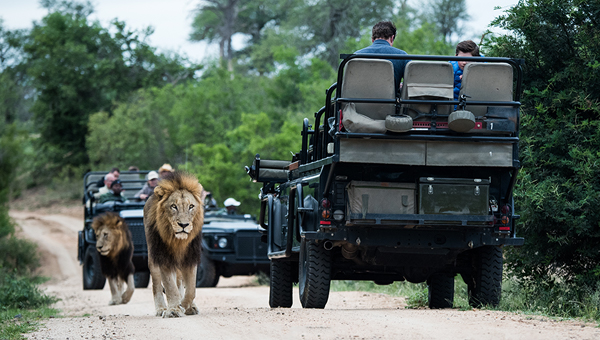
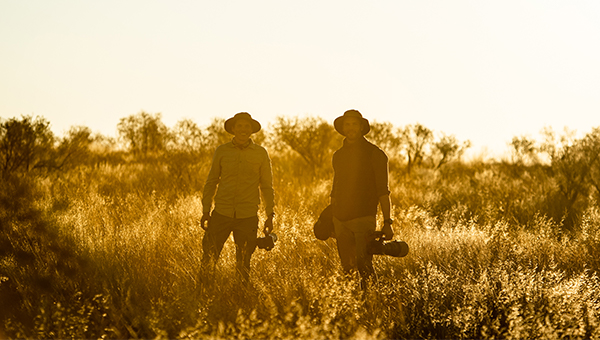
The Mara conservancies are, for many luxury travellers, the most compelling way to experience the greater Mara ecosystem. Located around the national reserve on community-owned land leased to low-density camps, they offer a more private, more flexible safari style — often with fewer vehicles, off-road driving, night drives and walking. The conservancies retain the Mara’s wildlife richness while adding a sense of exclusivity and intimacy that suits high-end travel exceptionally well.
Reasons to Visit
The conservancies bordering the Masai Mara National Reserve, among them Olare Motorogi, Naboisho, Ol Kinyei and Mara North, offer the same wildlife as the reserve but with a fraction of the vehicle numbers. Activities off the main tracks, including night drives, walking safaris and fly camping, are permitted within the conservancies and unavailable inside the reserve itself. For those who have visited the Mara before and know what they are looking for, the conservancies are consistently the better choice.
The conservancies operate on a model in which Maasai landowners lease their land for conservation, receiving a direct monthly income independent of the ebb and flow of tourism. This alignment of economic interest with wildlife protection has produced landscapes where poaching is low, wildlife moves freely between conservancy and reserve, and the relationship between local communities and the safari industry is genuinely functional. Visiting a conservancy is a direct act of participation in a model with real results.
The conservancies sit squarely on the route that wildebeest follow as they move north from the Serengeti each year. During the main migration period from July to October, the herds pass through conservancy land as naturally as they move through the reserve itself, often in greater calm and with far fewer competing vehicles. The Mara and Talek river crossings are accessible from several of the conservancies, frequently without the crowds that gather at the reserve’s most photographed points.
01

overview

Mara Conservancies

The Mara conservancies are, for many luxury travellers, the most compelling way to experience the greater Mara ecosystem. Located around the national reserve on community-owned land leased to low-density camps, they offer a more private, more flexible safari style — often with fewer vehicles, off-road driving, night drives and walking. The conservancies retain the Mara’s wildlife richness while adding a sense of exclusivity and intimacy that suits high-end travel exceptionally well.
Reasons to Visit
The conservancies bordering the Masai Mara National Reserve, among them Olare Motorogi, Naboisho, Ol Kinyei and Mara North, offer the same wildlife as the reserve but with a fraction of the vehicle numbers. Activities off the main tracks, including night drives, walking safaris and fly camping, are permitted within the conservancies and unavailable inside the reserve itself. For those who have visited the Mara before and know what they are looking for, the conservancies are consistently the better choice.
The conservancies operate on a model in which Maasai landowners lease their land for conservation, receiving a direct monthly income independent of the ebb and flow of tourism. This alignment of economic interest with wildlife protection has produced landscapes where poaching is low, wildlife moves freely between conservancy and reserve, and the relationship between local communities and the safari industry is genuinely functional. Visiting a conservancy is a direct act of participation in a model with real results.
The conservancies sit squarely on the route that wildebeest follow as they move north from the Serengeti each year. During the main migration period from July to October, the herds pass through conservancy land as naturally as they move through the reserve itself, often in greater calm and with far fewer competing vehicles. The Mara and Talek river crossings are accessible from several of the conservancies, frequently without the crowds that gather at the reserve’s most photographed points.

Thank you

You’re in good hands.

We’ve received your enquiry, and someone from our team will be reviewing it shortly. You’ll hear from us soon.

BE INSPIRED BY YOUR CURIOSITY