



.jpg)
.jpg)
.jpg)
.jpg)
.jpg)
.jpg)


.jpg)

.jpg)
.jpg)

.jpg)


.jpg)
.jpg)
.jpg)
.jpg)
.jpg)
.jpg)
.jpg)
.jpg)
.jpg)
.jpg)
.jpg)
.jpg)
.jpg)
.jpg)
.jpg)
.jpg)
.jpg)
.jpg)
.jpg)
.jpg)
.jpg)

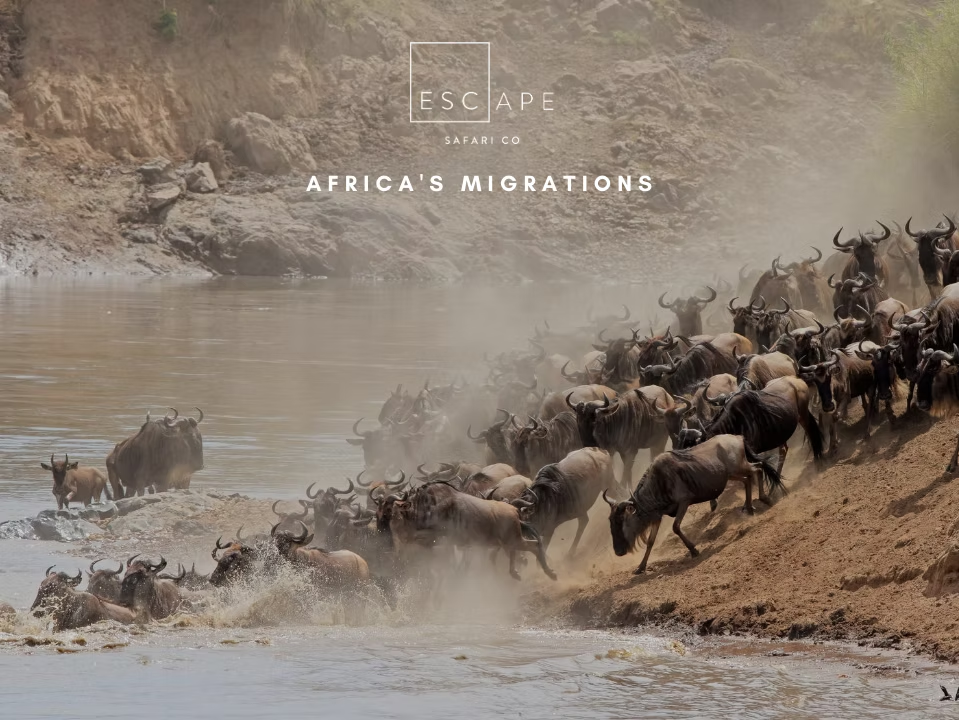
When asked about migrations in Africa, the first and most obvious migration is the Great Wildebeest Migration in East Africa. However, there are some incredible and iconic migrations that happen throughout Africa that we feel deserve to be highlighted. From land to sea and even air, Africa is home to some of the most spectacular migratory movements seen across the globe. From bats to whales, flamingos, zebras, wildebeests, dragonflies, and butterflies there is no shortage of unique wildlife spectacles. We have compiled our top 9 migrations to witness in Africa.
What are the three most significant migrations in Africa?
The three most significant migrations in Africa are the Great Wildebeest Migration through the Serengeti and Masai Mara, the fruit bat migration at Kasanka in Zambia, and the zebra migration from the Chobe River to Nxai Pan in Botswana. The first moves more than two million wildebeest, zebra and gazelle in a year-round loop that follows the rain. The second brings over ten million straw-coloured fruit bats into one small patch of swamp forest between late October and mid-December. The third sees more than 20,000 zebra cover a round trip of over 1,000 km, the longest mammal migration on the continent.
Each asks something different of you, in timing, in patience and in where you choose to stand, and we cover all nine below.
The 9 greatest migrations in Africa, and when to see them
Fruit Bat Migration, Kasanka National Park, Zambia (late October to mid-December)
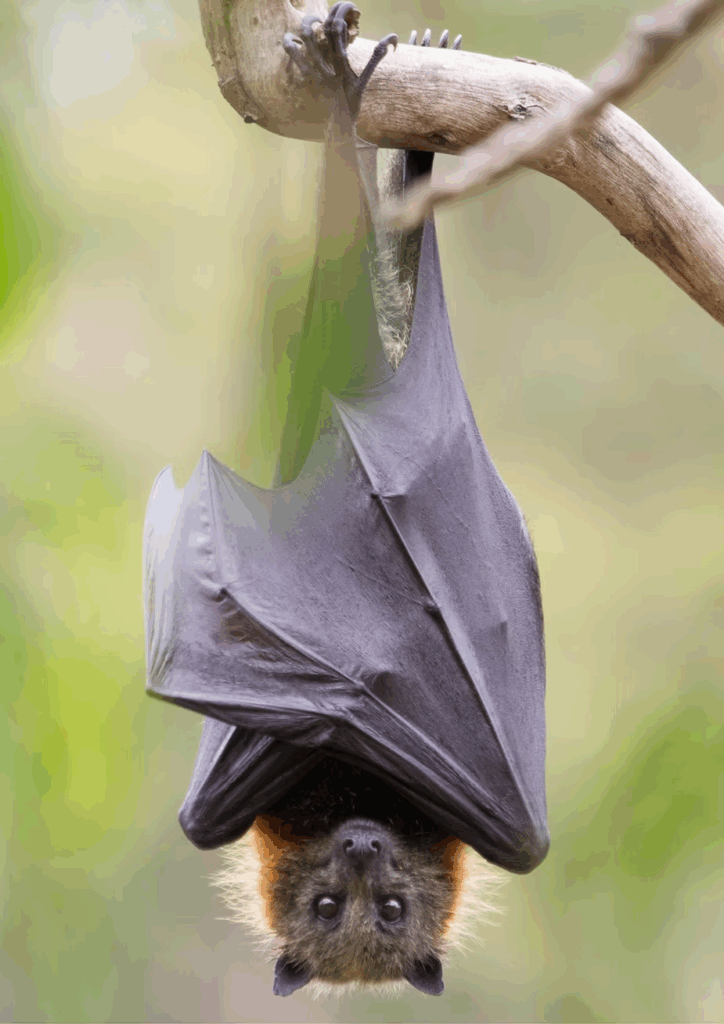
Despite most people’s assumptions, Africa’s largest wildlife migration takes place in the skies over Zambia rather than on the savannas of Tanzania and Kenya. Each year from late October to mid-December Kasanka National Park hosts a migration of over 10 million straw-coloured fruit bats, as they descend into a tiny patch of evergreen swamp forest in Northern Zambia. The bats take up residence in a few hectares of the Bat Forest in Kasanka National Park’s Mushitu swamp forest, and each evening at sunset you can witness millions of bats flying off to feed for the night, his migration is on an immense scale and the bats fill the skies as guests look on in awe.
Great Wildebeest Migration, Serengeti and Masai Mara (all year)
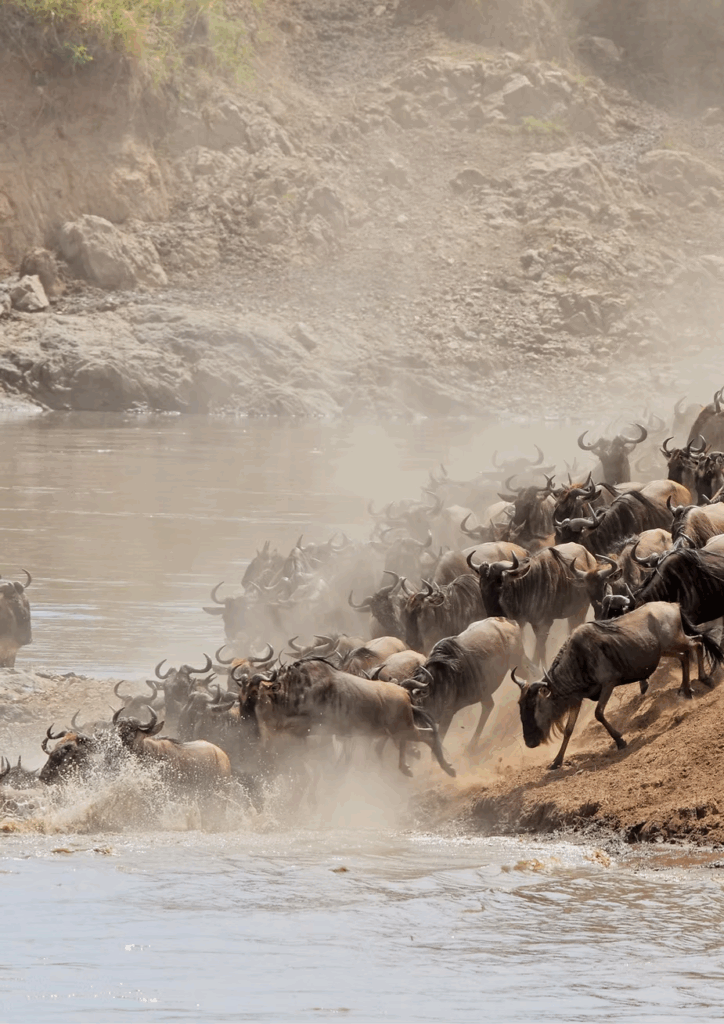
The most famous of all the animal migrations in Africa and quite possibly nature’s greatest show is the annual Great Wildebeest Migration in Tanzania’s Serengeti and Kenya’s Masai Mara. Over two million wildebeest, zebras, and gazelles migrate in a circuit around the Serengeti and Masai Mara, following patterns of rainfall and in search of fresh pastures. This migration is a year-round event that has highlights including the herds crossing the Mara River between July and October and calving season in the Ndutu area in February. here all the herds join together in one giant group.
Zebra Migration, Okavango Delta to Makgadikgadi, Botswana (December to March)
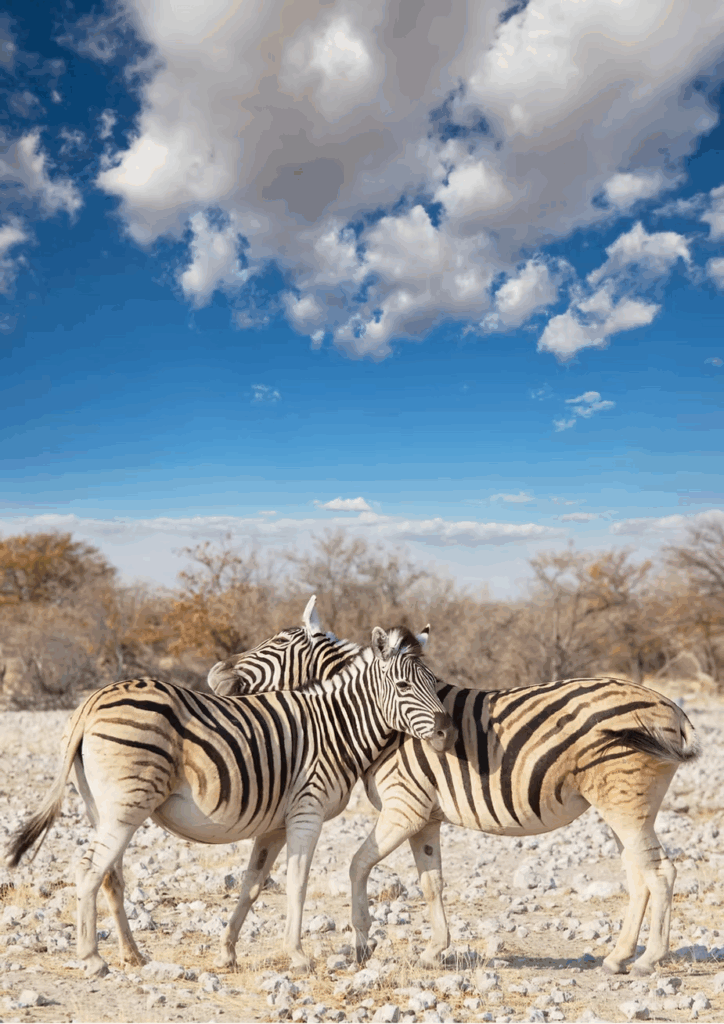
Okavango-Makgadikgadi zebra migration: The zebra migration between the Okavango Delta and the Makgadikgadi is smaller than the Chobe-Nxai pan migration and is a 500km round trip comprising of roughly 15,000 zebra. The herds take advantage of the Okavango Delta floodwaters during the dry season, which lasts until November/December and The migration is triggered by rains in the Makgadikgadi area. The journey takes a few weeks and the herds remain in the Makgadikgadi area feeding on the nutritious grass for about three months – December to February. Around March, the zebras begin to group on the western edge of the park before returning north-west, past Maun, and into the south-eastern areas of the Okavango Delta. Interestingly, only 55% of the zebra population in the delta take part in this movement.
Southern Right Whale Migration, Hermanus, South Africa (June to November)
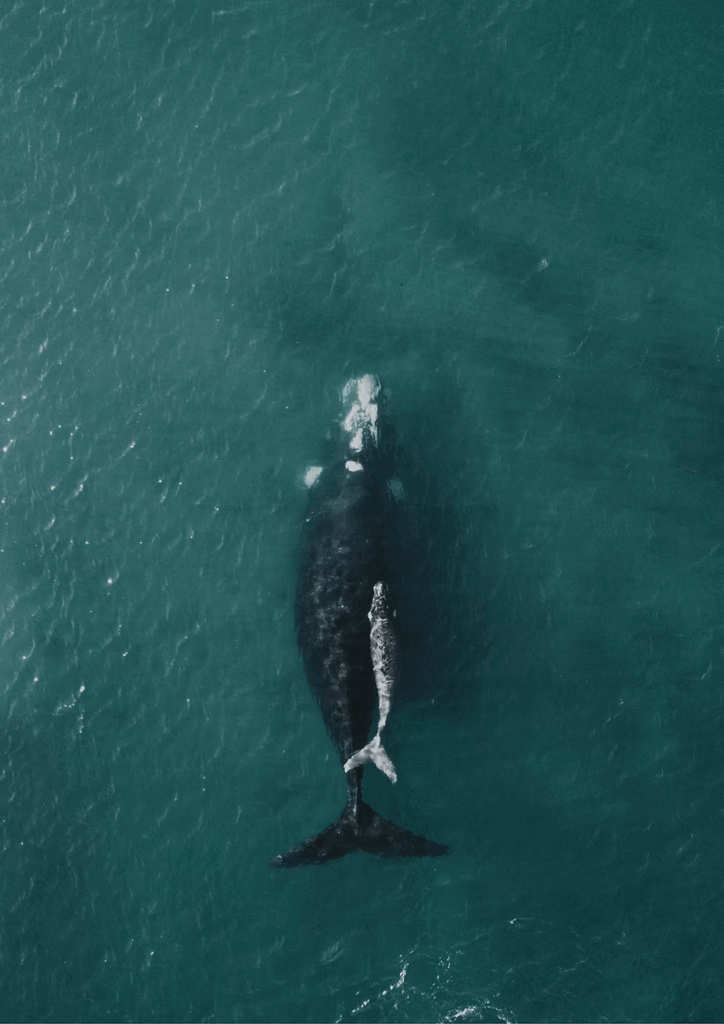
From June to November each year, Hermanus in South Africa becomes a whale-watching mecca as thousands of Southern Right whales arrive from their summer feeding grounds in the Antarctic. They migrate to the area around Hermanus to mate and give birth in the many sandy, sheltered bays around the town, with females returning to the same bays to mate and calve each year. The whales begin their migration back to the icy waters of the Antarctic in November – a 5,000-kilometre journey done at an average of 4 kilometres per hour.
Amur Falcon Migration, from Asia to Southern Africa (November to April)
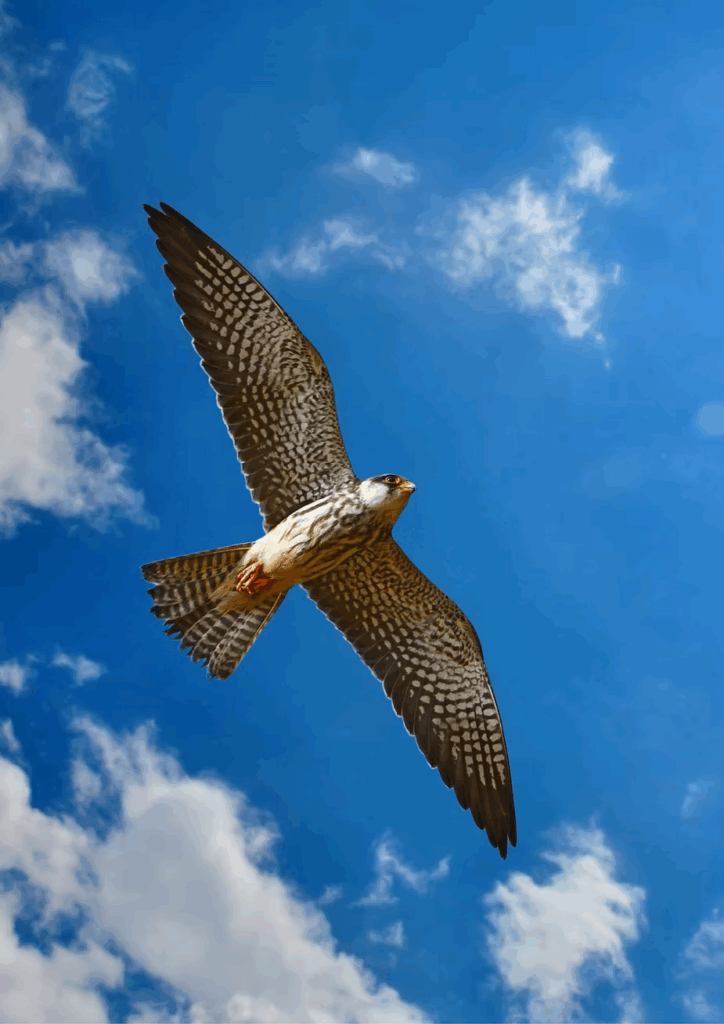
Amur Falcons migrate from breeding grounds in eastern Asia to wintering grounds in southern Africa. This is one of the longest aerial migrations of any bird of prey that is estimated to be a 22,000km journey. Along the way, they fly roughly 3000km, across the Indian Ocean. To fuel up for their big open-water crossing, Amur Falcon’s stopover in Nagaland, India, to feast on a seasonal eruption of trillions of termites from their underground colonies.
Flamingo Migration, Lake Bogoria and Lake Nakuru, Kenya (April to June)

From April to June is the Rift Valley’s most under-reported animal migration, when millions of Lesser and Greater Flamingos fly in from surrounding countries to breed on the warm, shallow lakes Bogoria and Nakuru. The number of flamingos seen at either lake depends on the number of algae in the lakes at any given timeless algae means fewer flamingos and vice versa. Each year the numbers fluctuate but this is still one of the most incredible animal movements and congregations on the continent.
Zebra Migration, Chobe River to Nxai Pan, Botswana (December to February)

Chobe-Nxai Pan zebra migration is the longest mammal migration in Africa. The zebra herds that take part in this migration spend the harshest of the dry months around the Chobe River flood plains between June and November, before congregating in early December when over 20,000 zebras begin their journey southwards. Triggered by rain in the Nxai Pan area, Most of the herds arrive within 2 to 3 weeks, having travelled in a straight line to Nxai Pan. some of the herds take less direct routes often stopping at Seloko Plain before joining the rest a few weeks later. These herds disperse throughout Nxai Pan National Park (part of the greater Makgadikgadi Pan system) and remain there for about three months – December to February – before making their return to the north. The round trip is incredibly over 1000km each year.
Dragonfly Migration, across the Indian Ocean
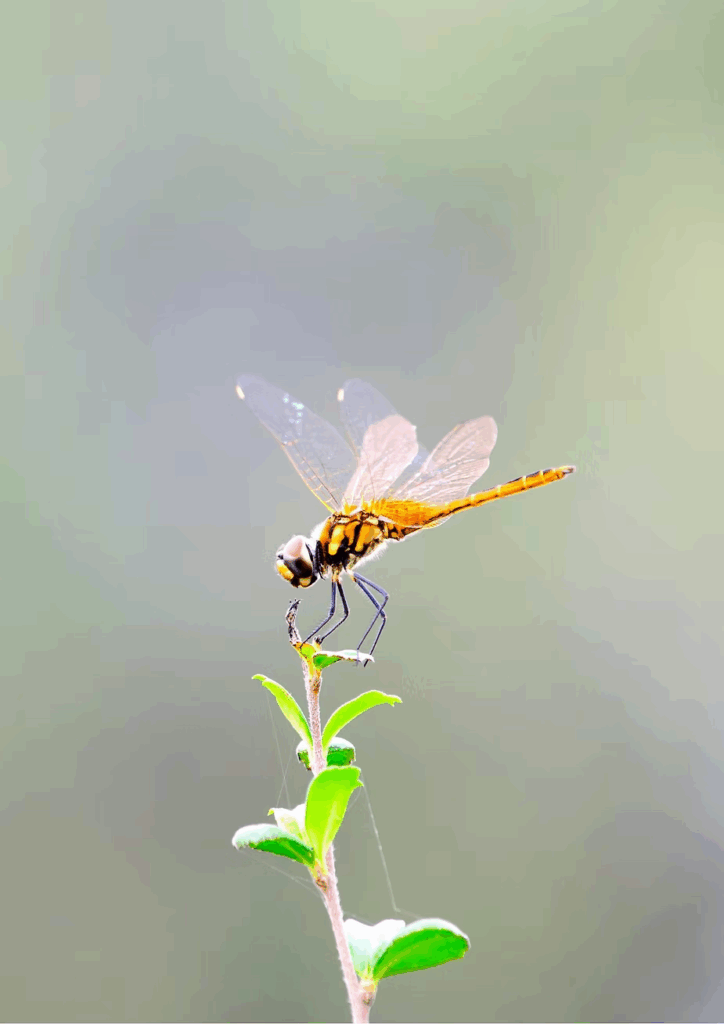
Millions of dragonflies migrate thousands of kilometres across the Indian Ocean from southern India to Africa. The dragonflies rely on wind and islands as stopover points such as Sri Lanka, Maldives, and Madagascar. This migration may be the longest of any insect, exceeding that the Monarch butterfly.
Brown-veined White Butterfly Migration, the Karoo to Mozambique (December to January)
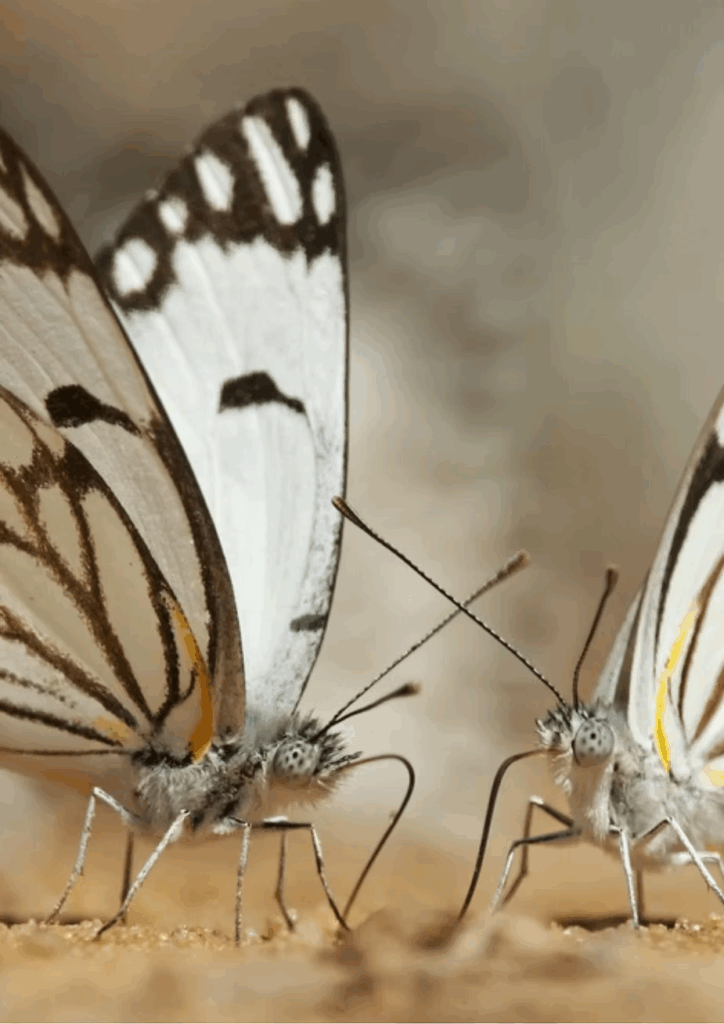
The brown-veined white (Belenois aurota) is a pale white butterfly that migrates across the length of South Africa each year in midsummer, December, or January. The butterflies originate from arid places in the country such as the Karoo and head in a north-easterly direction towards Mozambique and northern KwaZulu-Natal. The number of butterflies migrating every year depends on the food available.
Planning a migration safari with us
If you are ever travelling to Africa in search of some of these migrations, remember that there are so many more around you that are taking place and that there is some much more to explore.
Every migration on this list keeps its own calendar, and the difference between a good sighting and a missed one is usually a matter of weeks and a few kilometres. We plan around where the animals are likely to be, not where the brochures say they should be. That might mean a mobile camp that follows the wildebeest, a quiet riverbank in Kasanka at dusk, or a pan in Botswana as the first rains arrive. Tell us which journey you would like to see, and we’ll build the safari around it.
Until our next Escape.