




.jpg)
.jpg)
.jpg)
.jpg)
.jpg)
.jpg)


.jpg)

.jpg)
.jpg)

.jpg)


.jpg)
.jpg)
.jpg)
.jpg)
.jpg)
.jpg)
.jpg)
.jpg)
.jpg)
.jpg)
.jpg)
.jpg)
.jpg)
.jpg)
.jpg)
.jpg)
.jpg)
.jpg)
.jpg)
.jpg)
.jpg)



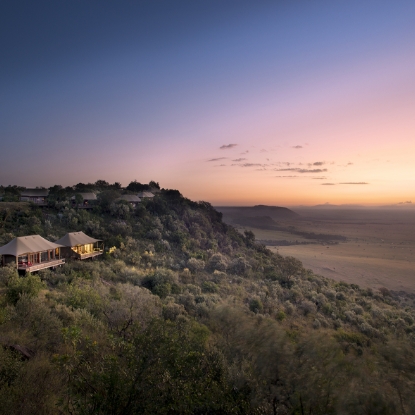

At a United Nations conference on the Human Environment in 1972, the United Nations Environment Programme (UNEP) was formed and the UN designated the 5th of June as World Environment Day. The first World Environment Day was celebrated in 1974, under the slogan “Only One Earth”. Nearly 50 years later World Environment Day is still celebrated to promote action for change and prompt conversations around environmental issues.
The theme for the 2021 World Environment Day is “Ecosystem Restoration”.
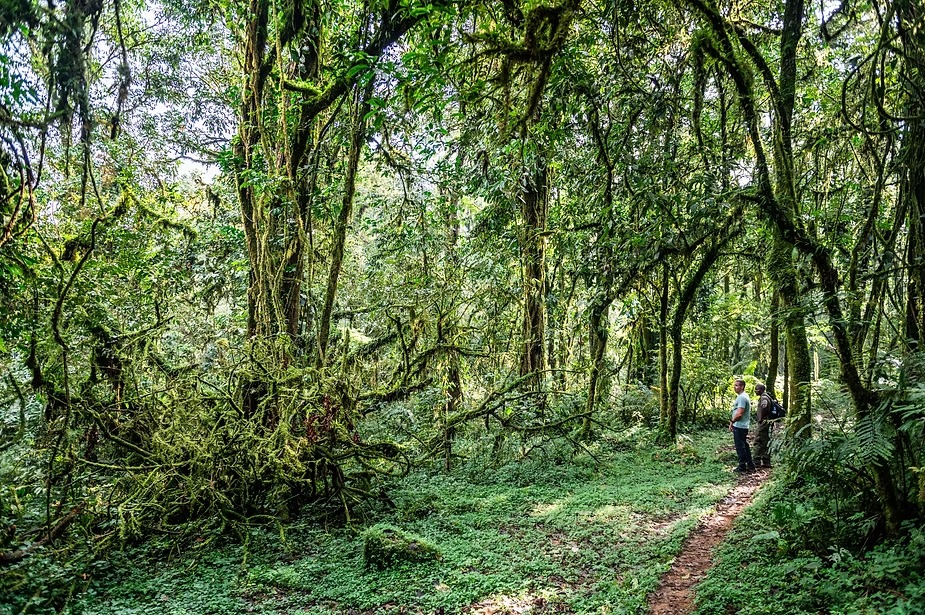
Pakistan is the host country for this year’s World Environment Day and the Government of Pakistan plans to expand and restore the country’s forests through a ‘10 Billion Tree Tsunami’ spread over five years. The campaign includes restoring mangroves and forests and planting trees in urban settings, including schools, colleges, public parks and green belts. This year’s World Environment Day also marks the launch of the ‘UN Decade on Ecosystem Restoration.’
Ecosystem restoration can take many forms such as planting trees, greening cities, rewilding gardens or cleaning up rivers and beaches. Protecting and restoring ecosystems not only protects the wildlife and vegetation of these spaces but also has a direct positive impact on human livelihoods and wellbeing.

“Biodiversity loss is already costing the global economy 10 per cent of its output each year. If we do not sufficiently finance nature-based solutions, we will impact the capacities of countries to make progress on other vital areas such as education, health and employment. If we do not save nature now, we will not be able to achieve sustainable development,” Inger Andersen, the Executive Director of UNEP said.
This year on World Environment Day, we would like to highlight some of the ecosystem restoration success stories that have resulted in successful ecotourism examples and mutual benefits to both humans and nature, and are close to the Escape Safari Co Team’s hearts. There are many examples of where agricultural land has been restored to its natural state, be it on the fringes of rainforests in central Africa or bordering national parks in Zimbabwe, land restorative efforts across Africa are vital in maintaining the success and sustainability of our ecosystems.

An example that immediately comes to mind, and one that we are very familiar with, is the story of the Sabi Sands Game Reserve. Historically, the private game reserves that make up the Sabi Sands were used as farmlands for cattle ranching in the early 1900s. In the 1920s much of the farming land was sold to new owners and most of the area converted to hunting farms. The land was not conducive to cattle farming which meant that most of the farms failed. The impact of not having indigenous animals on the land, such as elephants and big herds of wildebeest, coupled with poor land management techniques, overgrazing and bad fire management resulted in soil erosion and the encroachment of species of plants which interrupted the natural grassland ecosystem.
In 1994 the decision was made to drop the fences between the Kruger National Park and the Sabi Sands, while new landowners in the Sabi Sands had already begun land restoration and conservation efforts about 20 years before. The new landowners focussed on combating soil erosion and removing encroaching species. Today the use of these land management techniques have resulted in larger biodiversity and stronger ecosystems, which has encouraged the return of wildlife.

It was not only the larger mammals that benefited from this but many species of birds, insects and plants were also seen to thrive and their populations stabilise. This has resulted in some of the best and most diverse wildlife viewing, which has strengthened ecotourism and has a direct positive benefit on the surrounding communities while protecting wildlife and wild spaces. This model and approach to ecotourism and land management has paved the way for many more successful sustainable development projects.
Restoring ecosystems is not only important for strong biodiversity and stable environments but also for human well being. This year on the 5th of June we will remember the success stories of ecosystem restoration projects and the wave of positive impacts they have had on communities and wildlife alike. We also look forward and recognise that there are many more ecosystems that need to be restored, stabilised and protected for a more stable and prosperous environment.
Come Escape with us.