







.jpg)
.jpg)
.jpg)
.jpg)
.jpg)
.jpg)


.jpg)

.jpg)
.jpg)

.jpg)


.jpg)
.jpg)
.jpg)
.jpg)
.jpg)
.jpg)
.jpg)
.jpg)
.jpg)
.jpg)
.jpg)
.jpg)
.jpg)
.jpg)
.jpg)
.jpg)
.jpg)
.jpg)
.jpg)
.jpg)
.jpg)






The surface of our planet is covered by land and water, the ocean makes up 70% of this coverage. Our oceans generate half of the oxygen we breathe and, at any given moment, contain more than 97% of the world’s water. Oceans have long been viewed as an infinite supply of food and a bottomless repository for our waste. Now, with sea levels rising and coral reefs dying, our oceans’ ability to support marine life and the growing human population, is at risk.
The diversity and productivity of the world’s oceans are of vital interest for humankind, oceans provide around one-sixth of the animal protein consumed globally and they absorb carbon dioxide from the atmosphere which in turn reduces the impact of climate change significantly.
There is a lot that relies on the oceans; our security, our economies, our very own survival all depend on healthy oceans.
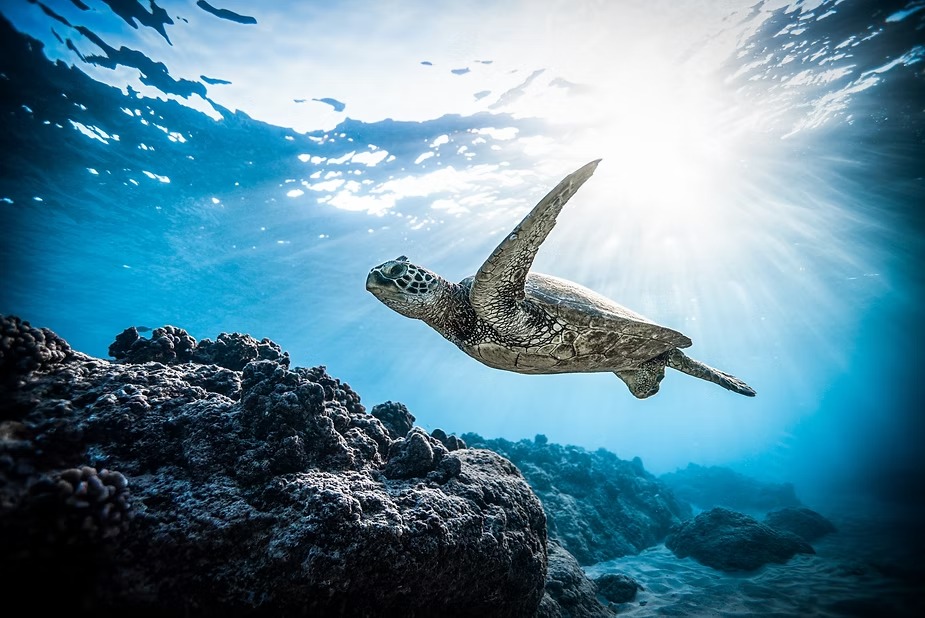
Today, the 8th of June is the day that has been set aside to celebrate and raise awareness for our oceans. Originally conceptualized in 1992, it was officially recognised by the United Nations in 2008.
One of the multiple reasons that we should be celebrating World Oceans Day this year is the impact that our oceans have on our health as humans. When we think of public health risks, we may not think of the ocean. Increasingly, however, the health of the ocean is intimately tied to our health as humans. According to the United Nations: “Some people may be surprised to read that organisms discovered at extreme depths are used to speed up the detection of COVID-19, and probably, even more, to learn that, it is the environment that could give a solution to humankind.”
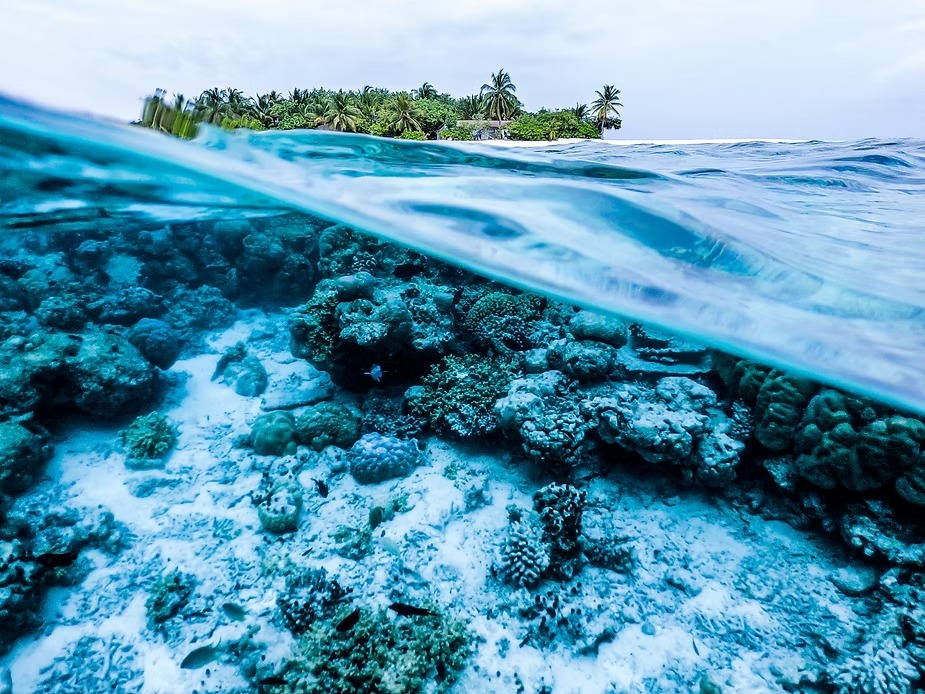
Unfortunately, the world’s oceans bear the brunt of anthropogenic carbon dioxide emissions. Excess heat that builds up in the Earth’s atmosphere is absorbed by the ocean which in turn affects marine organisms who are adapted to narrow temperature ranges. Cardon dioxide absorbed by the oceans also increases the acidity of the saltwater, called ocean acidification, which causes marine organisms to build calcium carbonate shells and skeletons, including corals and shellfish. Rising atmospheric and ocean temperatures are also driving global sea levels to rise which will affect coastal regions dramatically.
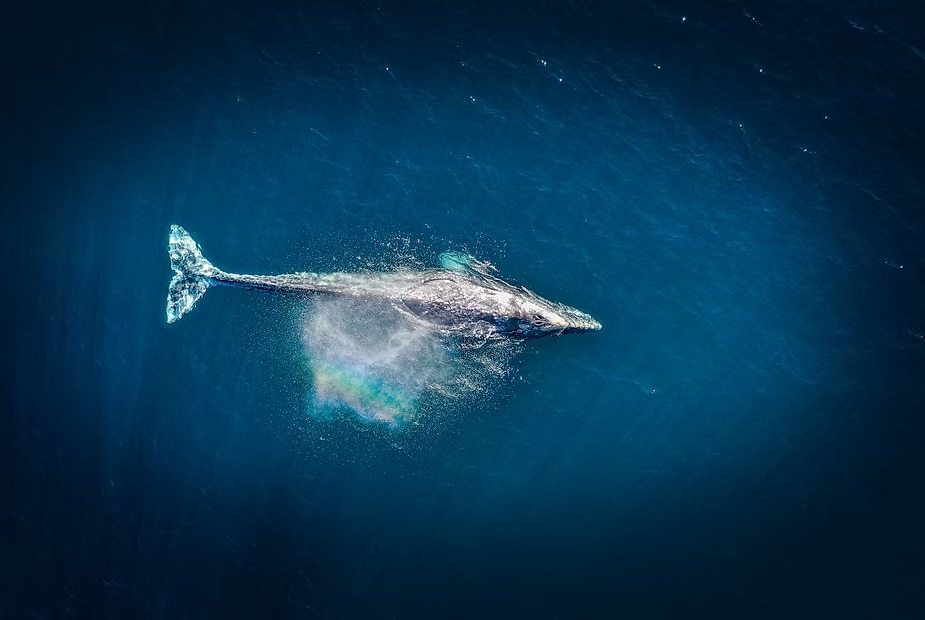
Here are 8 things you can do to try and help save our oceans:
- Educate yourself about oceans and marine life.
- Use less plastic in your daily life.
- Do not litter!
- Make safe, sustainable seafood choices.
- Help take care of your local beach.
- Support organizations that protect the ocean.
- Mind your carbon consumption and reduce energy consumption.
- Travel Ocean responsibly.
The purpose of World Oceans Day is to inform as many people as we can, of the impact we have had on our oceans how what we can do to save them. It hopes to develop a worldwide movement of citizens for the ocean and mobilize and unite the world’s population on a project for the sustainable management of the world’s oceans. In the end, it is a day to celebrate together the beauty, the wealth and the promise of the ocean.
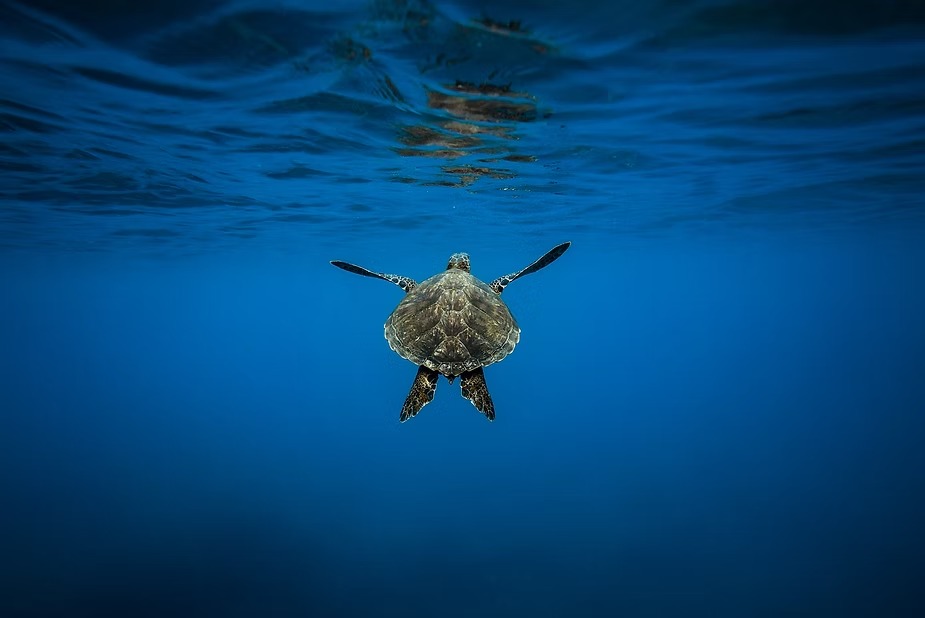
This year, during a global pandemic, the United Nations is hosting the virtual event, featuring keynote speeches, panels and presentations. If you are interested in taking part, even for a short while, click the registration link below.
Event registration: “Innovation for a Sustainable Ocean”
Together we can save our Oceans; we just have to start now.