



.jpg)
.jpg)
.jpg)
.jpg)
.jpg)
.jpg)


.jpg)

.jpg)
.jpg)

.jpg)


.jpg)
.jpg)
.jpg)
.jpg)
.jpg)
.jpg)
.jpg)
.jpg)
.jpg)
.jpg)
.jpg)
.jpg)
.jpg)
.jpg)
.jpg)
.jpg)
.jpg)
.jpg)
.jpg)
.jpg)
.jpg)





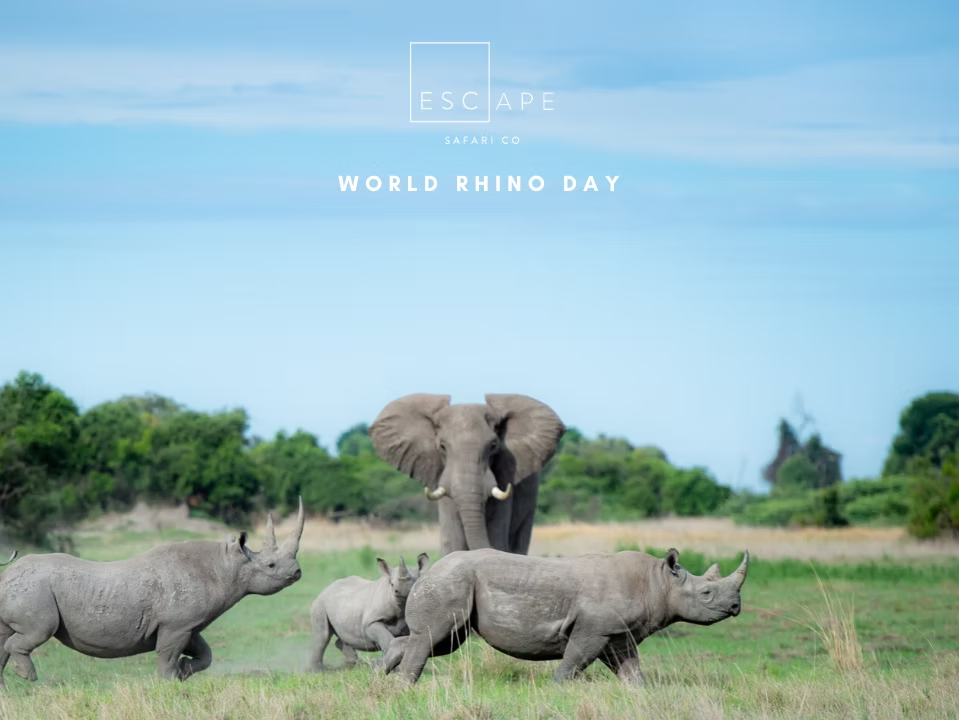
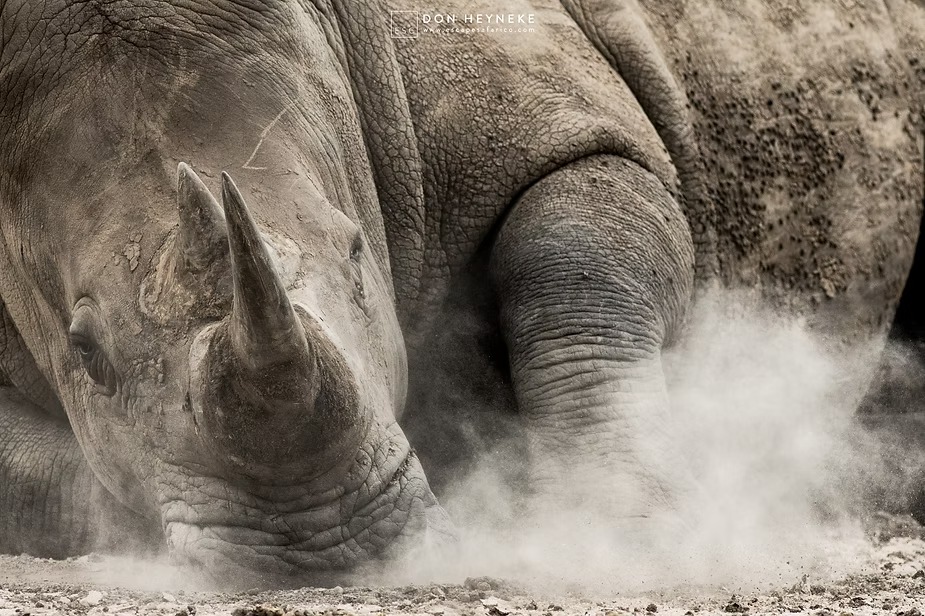
On September the 22nd, 2019 we celebrate World Rhino Day. Today provides the opportunity for cause-related organisations, NGOs and members of the public to raise awareness and celebrate rhinos in their own unique ways. The five different species of rhinos should be celebrated everyday but society moves so quickly and we all have our own daily life to focus on, by highlighting rhinos today we all help contribute to creating awareness and a better understanding of the threats that rhinos are facing.
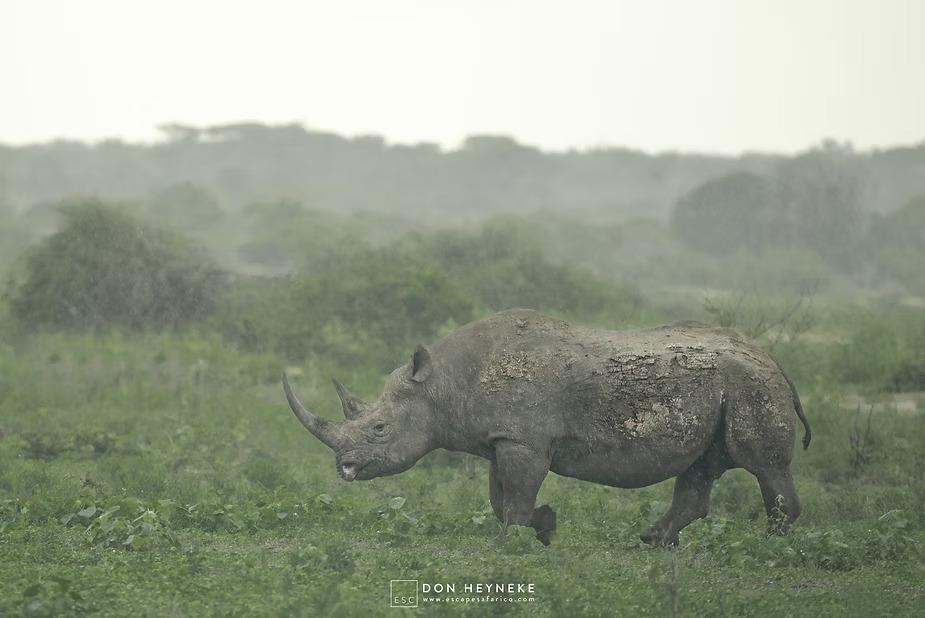
Rhinos were once found throughout Eurasia and Africa, but today, three of the five rhino species are Critically Endangered, meaning they face a high chance of extinction. In recent years rhino numbers have dropped dramatically due to poaching for their horn which is prized in Asian countries. They also face threats from habitat loss and political conflict.
Poaching
Poaching is a threat to almost every rhino in all the areas they occur, however as South Africa is home to the majority, about 80%, of rhinos in the world, it is being heavily targeted. More than ever, field programmes are having to invest heavily in anti-poaching activities due to the demand for rhino horn for a status symbol and Traditional Chinese Medicine. Poachers are now being supplied by international criminal gangs with sophisticated equipment to track and kill rhinos. The scarcity of rhinos today and the corresponding intermittent availability of rhino horn only drives the price of horn higher, intensifying pressure on declining rhino populations. For people whose annual income is often far below the subsistence level, the opportunity to change one’s life by killing an animal that they don’t value is overwhelming.

Habitat Loss
Along side poaching habitat loss contributes to the problem and many countries have lost their rhino populations altogether, in part due to habitat loss. The clearance of land for human settlement, agricultural production and logging are constantly increasing. This is a major threat to all species as wildlife needs space to survive and thrive. This is a major barrier to enabling rhino numbers to recover and increase.
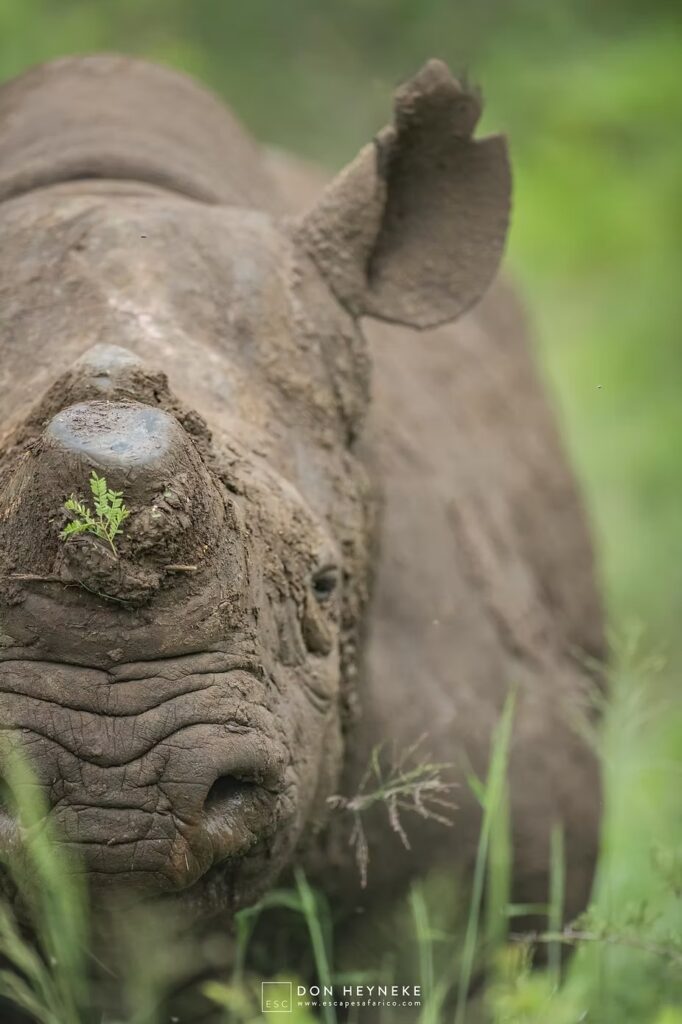
Political Conflict and Corruption
One of the most important areas of concern is political conflict and corruption. Conservationists across organisations are calling for stronger laws and deterrents to wildlife crimes. Globally, we are not seeing wildlife crimes taken as seriously as other transnational crimes such as drug smuggling and human trafficking. The deterrents for wildlife criminals are low, and the integrity of law-enforcement systems across the world are constantly failing when it comes to crimes involving the illegal wildlife trade. It is deeply concerning that most arrests and successful prosecutions are only of the people that actually kill the rhinos and the local couriers of the horns. If the kingpins organising and running the poaching rings can be stopped, then the links can be broken and the trafficking of horns reduced, as it is not easy for another criminal syndicate to quickly re-establish those connections.
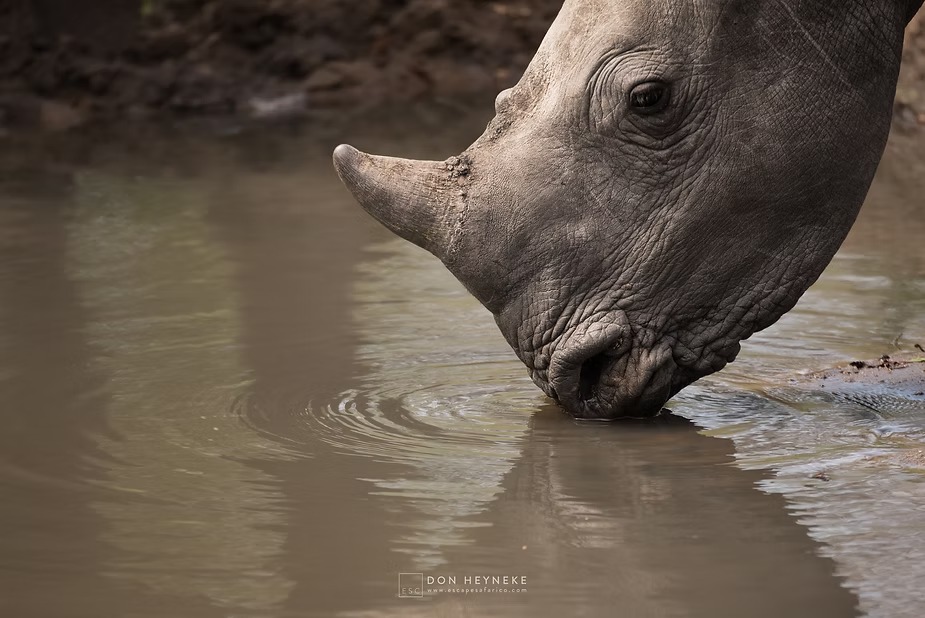
Local community support is essential if we are to save the rhino. Involving, empowering and educating local communities allows people to become custodians for not only rhinos but all wildlife in wilderness areas. Rural villages around national parks borders and protected wilderness areas are precisely the areas from which the criminals involved in trafficking wildlife products try to recruit people to assist them. The greatest success has come from developing an economy around wildlife when people from around the world visit these areas, it allows the local communities to participate and understand the importance of wildlife not only for themselves but future generations. When the relationship between people, land and wildlife are in balance it allows for a contagious effect that filters into the communities, school and conservation programs that can last generations.
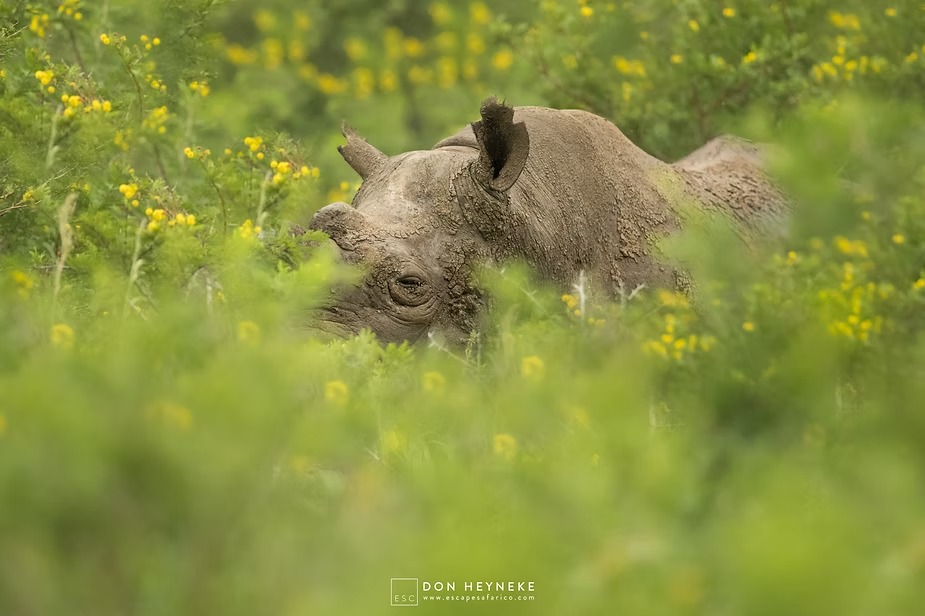
The good news is that there are NPOs and people working and dedicating their lives to protecting rhinos and they are making a difference. Organisations like Save The Rhinos ensure that ranger and anti-poaching teams have the resources they need to do their job and importantly they fund cutting-edge social marketing initiatives to stop consumers from wanting to buy horn in the first place.
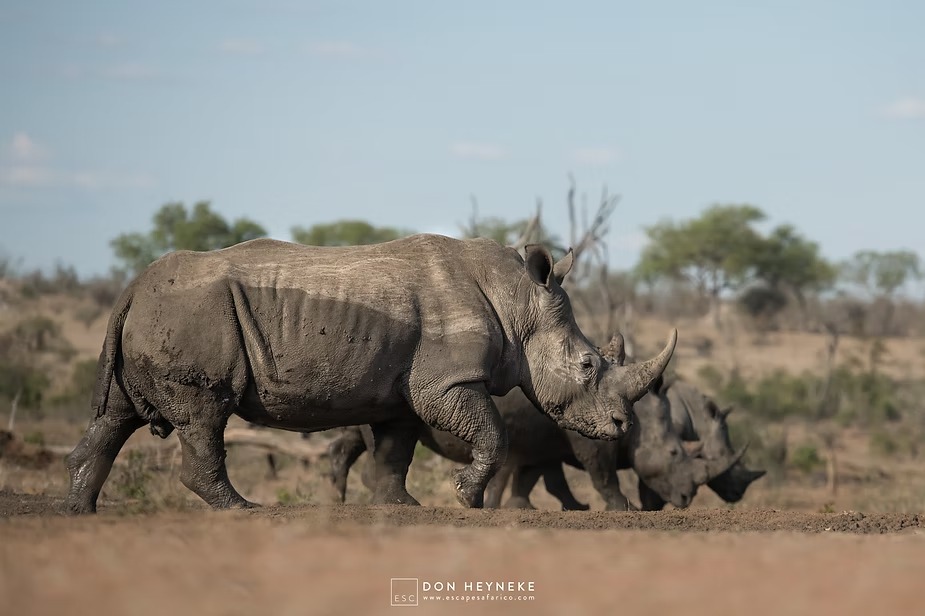
The good news is that together we can stop poaching and habitat loss so that in 20 years’ time, rhinos will no longer be near extinction.
For more information visit savetherhino.org