



.jpg)
.jpg)
.jpg)
.jpg)
.jpg)
.jpg)


.jpg)

.jpg)
.jpg)

.jpg)


.jpg)
.jpg)
.jpg)
.jpg)
.jpg)
.jpg)
.jpg)
.jpg)
.jpg)
.jpg)
.jpg)
.jpg)
.jpg)
.jpg)
.jpg)
.jpg)
.jpg)
.jpg)
.jpg)
.jpg)
.jpg)

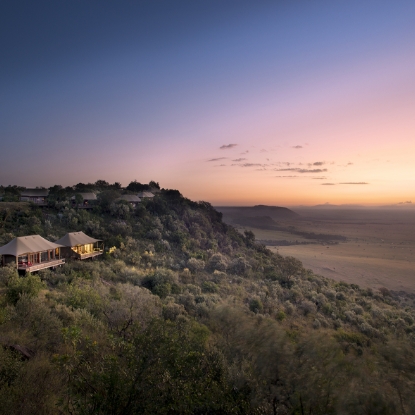

World Wildlife Day was first proclaimed in 2013 at the 68th session of the United Nations General Assembly. It is a day that is aimed at celebrating and raising awareness for the world’s wild animals and plants. World Wildlife Day has, over the years, become the “most important global annual event dedicated to wildlife.”
This year World Wildlife Day will be celebrated under the theme: “Forests and Livelihoods: Sustaining People and the Planet.” The theme is aimed at highlighting the central role of forests, the species which inhabit them and the ecosystems that sustain millions of people worldwide, the most important being indigenous and local communities who have deep-rooted, historic ties to forests and their adjacent areas.
It is estimated that between 200-350 million people live within or adjacent to forested areas around the world and all of them rely heavily on the resources these forests provide for their most basic needs like shelter, food, energy and medicines. Some of the most ecologically intact forests on our planet are managed by those who are living within these forests and have been for centuries. According to the United Nations, “28% of the worlds land surface is currently managed by indigenous peoples”
Each year, a new theme is celebrated, one that is current and important for that time. Over the past few years, the themes may have changed and the manner in which we celebrate wildlife has evolved, but, the overarching message remains constant. How do we protect our precious wildlife and the ecosystems within which they exist?
To get involved in World Wildlife Day 2021 you need to spread the word. Use your voice to reach as many people as possible. Have a conversation with a neighbour or family member, teach people about the importance of this day, educate our future leaders, donate, collaborate or share a post to social media highlighting the day, and if you do, remember to use the hashtags #WorldWildlifeDay #WWD2021 #ForestPeoplePlanet
As Africans, and South Africans, we want to use this day to recognize the fragility of four iconic African species. Species that are under threat from poaching, habitat loss and human-wildlife conflict. These are species that are not alone in the fight against local and permanent extinctions and we use these as symbols in this campaign.
Lions | Panthera Leo | Vulnerable

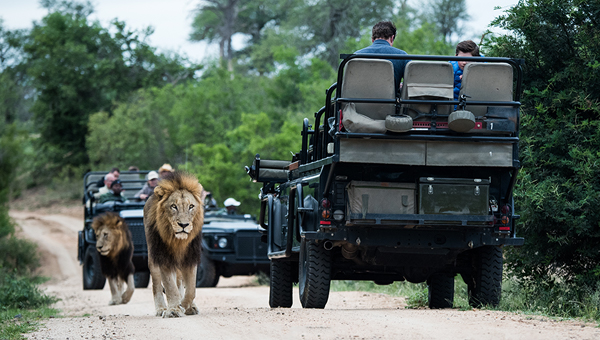
Today, lions are extinct in 26 African countries and have vanished from more than 95% of their historic range. Over the past 21 years, there has been a 43% decrease in the population of lions in Africa. It is estimated that there are roughly 20,000 lions left in the wild today.
White Rhino | Ceraotherium Simum | Near Threatened
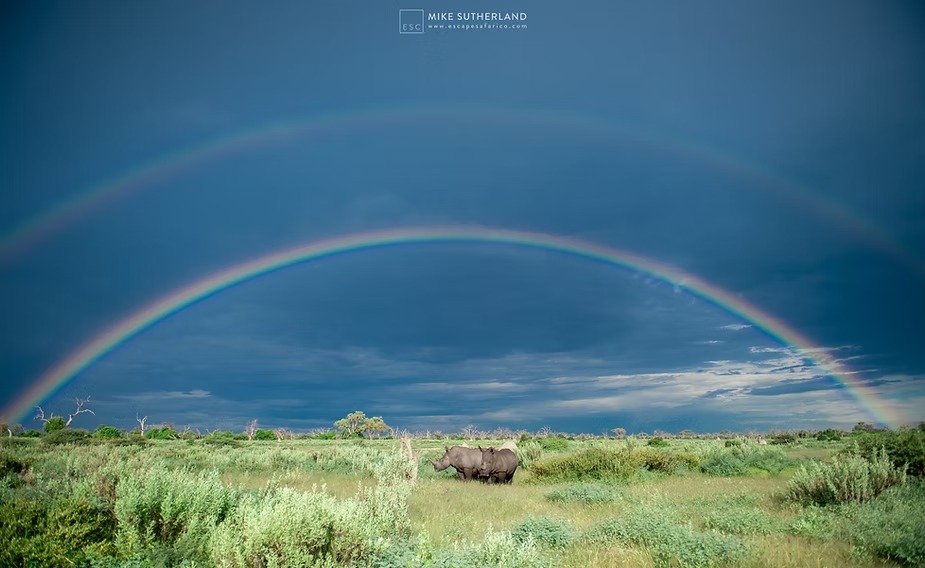
Over the past decade, almost 8,000 White Rhino have been lost to poaching. The illegal poaching of rhinos in South Africa began in 2008 with a surge in demand for their horns. Currently, there are around 18,000 individuals remaining in the wild.
Wild Dog | Lycaon Pictus | Endangered

The wild dog is one of the worlds most endangered species and have been for the past 20 years. They are faced with many challenges including conflict with humans and livestock farmers, disease and habitat loss, which is the most notable reason for their demise. There are currently only 6,600 wild dogs left in the wild.
Pangolin | Smutsiia Temminckii | Critically Endangered
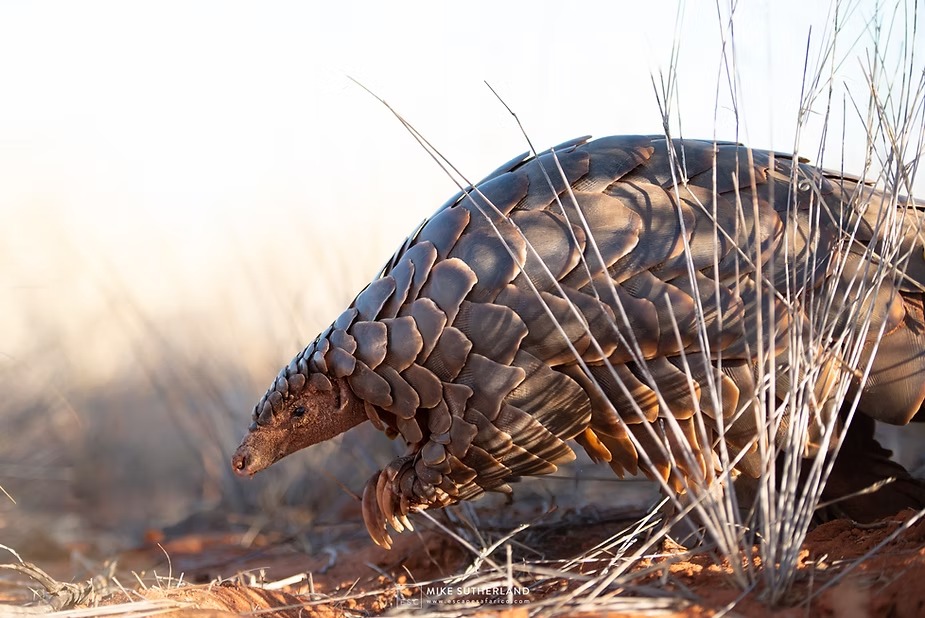
They have come to fame in the most dramatic and terrible manner and now dubbed the “most trafficked animal in the world.” Wanted for their scales, skin and meat, poachers poach roughly 2.7 million pangolins each year from around the world. Due to their behaviour and elusive nature, their population is difficult to determine.
Conserving wildlife is about balance and there is a silver lining. By travelling responsibly a sustainable model of tourism can exist. Responsible travel fortifies strong community involvement, preservation of land and the protection of wildlife, three pillars that are so vital to any successful conservation model.
When you can, travel responsibly. It truly makes a difference.
Come Escape with us responsibly.